How to Choose a Cold Wire Feeder for TIG Welding?
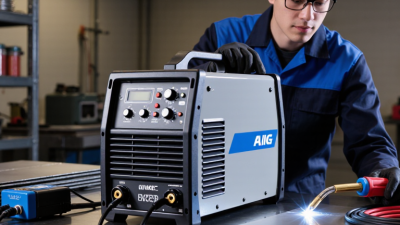
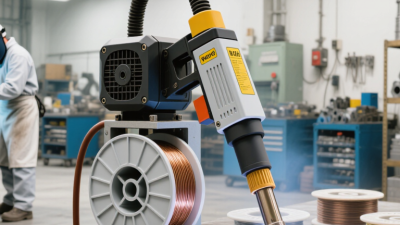
Choosing a Cold Wire Feeder for TIG Welding requires more than matching a machine to a torch. The feeder must suit the alloy, joint design, wire diameter, and production rhythm. A unit that performs well on stainless steel may struggle with thin aluminum. Small differences matter. Wire feeding should remain steady beside the tungsten arc, even during slow travel speeds.
Dr. John C. Lippold, a respected welding metallurgist and author, states, “Weld quality begins with understanding the material, the process, and the application.” That principle should guide every purchase. Examine the feeder’s drive-roll design, motor control, wire tension, and synchronization options. Confirm whether it supports the required wire sizes. Check its compatibility with the TIG power source and torch system. A smooth feeder should deliver wire without buckling, vibration, or sudden surges.
Look closely at real workshop conditions. Will the equipment face dust, heat, long cables, or frequent setup changes? A compact feeder may help on maintenance work, while a programmable model may better serve repeatable fabrication. Ask for practical demonstrations using your actual filler wire. Catalog claims can look impressive. They do not replace a weld test.
There is room for judgment. The most expensive feeder is not always the best choice. An overlooked control may create more trouble than a missing feature. Review operator feedback, service availability, spare parts, and warranty terms before deciding. Reliable feeding supports cleaner starts, consistent deposition, and fewer interruptions. Still, no feeder can correct poor joint preparation or careless parameter selection. The machine helps. The welder remains responsible.
Read more »

 By:Clara
- October 12, 2026
 By:Lillian
- October 7, 2026
 By:Evelyn
- September 25, 2026