

[email protected] Sales: +91 96014 44111 Service: +91 96013 33888
Industrial IGBT Inverter TIG Welder manufacturing workshop and power sources
Global B2B Buyer Guide & Technical Whitepaper

How to Evaluate, Specify, and Procure Industrial IGBT Inverter TIG Welders: The Ultimate B2B Sourcing Guide

An in-depth technical analysis for procurement directors, QA managers, and fabrication engineers seeking maximum information gain, duty cycle efficiency, and total cost of ownership (TCO) optimization in Gas Tungsten Arc Welding (GTAW) power sources.

1,400+
Global Enterprise Clients
22,600+
Inverters Deployed
21+
Years In-House Manufacturing
100%
Full-Load Thermal Tested
User Intent & Engineering Insight

Understanding the Technical Shift to IGBT Inverter TIG Welders in Modern High-Spec Fabrication

In the global B2B procurement landscape for welding equipment, buyers no longer search merely for basic amperage ratings. AI-driven purchasing query analysis reveals that global procurement managers, welding engineers, and EPC contractors frequently ask targeted technical questions before placing international factory orders:

"Why are 4th-generation IGBT inverters replacing traditional transformer and early MOSFET TIG machines in pressure vessel and nuclear pipe welding?", "How does digital pulse frequency control reduce heat-affected zones (HAZ) and thermal distortion in stainless steel alloys?", and "What total cost of ownership (TCO) advantages do Indian OEM manufacturers offer compared to European brand markups?"

This comprehensive technical guide delivers full information gain by examining the circuit topology, waveform physics, duty cycle reliability standards, and future purchasing trends governing IGBT Inverter TIG Welders (GTAW). Whether you are sourcing for pressure vessel manufacturing, aerospace ducting, process plant piping, or heavy stainless steel fabrication, evaluating key parameters early ensures seamless WPS compliance and eliminates costly rework.

  • High-frequency IGBT switching (20kHz–100kHz)
  • Microprocessor DC & AC Pulse Waveform Control
  • Up to 30% reduction in workshop energy consumption
  • Lift TIG and High-Frequency (HF) arc ignition
  • Full-load duty cycle compliance to IEC 60974-1
  • WeldVisor IoT parameters logging for ISO 3834
Send an Inquiry
Proprietary IGBT inverter control circuit board engineered by APS Welding
20+ YearsIn-House Inverter Board Design
Technical Deep Dive

The Engineering Physics Behind IGBT Inverter TIG Welders

Insulated Gate Bipolar Transistors (IGBTs) represent the pinnacle of solid-state power semiconductor technology in industrial arc welding equipment.

1. High-Frequency Switching vs. Legacy 50Hz Transformers

Traditional transformer-rectifier TIG welders operate directly at the utility grid frequency of 50 Hz or 60 Hz. Because magnetic core volume and weight are inversely proportional to operating frequency, legacy machines required massive iron cores and copper windings, weighing hundreds of kilograms while consuming excessive idle power.

An IGBT Inverter TIG Welder rectifies incoming AC mains voltage into DC, then uses high-speed IGBT semiconductor switches to invert this DC into high-frequency AC (typically between 20 kHz and 100 kHz). This ultra-high frequency allows a primary step-down transformer smaller than a lunchbox to deliver thousands of watts of welding power. The output is then rectified back to smooth, ripple-free DC or digitally synthesized AC waveforms tailored specifically for GTAW precision.

2. Precision Pulse Waveform Modulation (PWM)

Precision Gas Tungsten Arc Welding demands absolute control over heat input. Advanced IGBT inverter topology controlled by 32-bit digital signal processors (DSP) enables pulse frequency modulation from 0.5 Hz up to 500 Hz or higher. By cycling rapidly between Peak Current (high amperage for deep penetration) and Base Current (low background current for cooling), thermal energy input into the base metal is strictly controlled.

This pulse capability prevents burn-through on thin sheet metal (such as 0.8mm stainless steel tubing or titanium bellows), drastically narrows the heat-affected zone (HAZ), minimizes carbide precipitation, and eliminates post-weld straightening labor.
Flagship Machinery Portfolio

Recommended IGBT Inverter TIG Welders for Enterprise Procurement

Engineered, manufactured, and load-tested in Gujarat, India by Advanced Power Sources Limited (APS Welding), these industrial GTAW power sources are designed to meet rigorous global standards (IEC 60974-1 / ISO 9001:2015).

★ Precision DC TIG
Apollo TIG 400 Pulse

Heavy-Duty DC Inverter TIG

Designed for continuous industrial GTAW on stainless steel, carbon steel, duplex alloys, titanium, and copper pipes.

  • Mains Input380V–415V, 3-Phase, 50/60Hz
  • Current Range10A – 400A continuous
  • Duty Cycle100% @ 310A / 60% @ 400A (40°C)
  • Pulse Frequency0.5 Hz – 500 Hz programmable
  • Arc StartHF Spark Gap & Lift TIG
Send an Inquiry
★ AC/DC Pulse TIG
Apollo TIG 500 AC/DC

Advanced Aluminum & Alloy TIG

Full digital control over AC Square Waveform, AC Balance (15%–50% Cleaning), AC Frequency (20Hz–200Hz), and DC Pulse parameters.

  • Mains Input380V–440V, 3-Phase, 50/60Hz
  • Current Range15A – 500A (AC/DC)
  • WaveformsSquare, Sine, Triangular
  • Memory Slots10 Job Parameter Memory
  • Water CoolerIntegrated closed-loop system
Send an Inquiry
★ Mechanized GTAW
TIG-Automate 600 Wire

Cold Wire Feeder TIG System

Pairs a 600A heavy IGBT TIG source with an automated cold wire feeder for high-deposition pipe spool welding and seamers.

  • Output Current20A – 600A heavy duty
  • Wire Feed Speed0.2 – 5.0 meters/min
  • Pulse SynergicAuto-synchronized wire feed
  • InterfacePLC / Robotic 0-10V I/O
  • CoolingHigh-head water chiller unit
Send an Inquiry
★ Industry 4.0 TIG
Apollo IoT-400 Smart

Connected Digital TIG Source

Equipped with WeldVisor IoT gateway for real-time telemetry logging of voltage, current, gas flow, arc-on time, and heat input calculation.

  • Current Range10A – 400A precision DC
  • Data ProtocolMQTT / Modbus / Wi-Fi / LAN
  • ComplianceASME Sec IX / ISO 3834 QA
  • Display7-inch Industrial Touchscreen
  • EnclosureIP23S Heavy Duty Metal Case
Send an Inquiry
Technology Roadmap

Technological & Engineering Advancement Trends in GTAW Equipment

01

Advanced DSP & MCU Digital Core

Transitioning from analog operational amplifier control loops to ultra-fast 32-bit Microcontroller Units (MCU). Real-time digital sampling adjusts arc voltage microsecond by microsecond, instantly stabilizing tungsten arc gap fluctuations.

02

Dynamic Waveform Switching (AC TIG)

Modern AC/DC IGBT inverters allow operators to select distinct AC wave shapes per job: Square wave for max penetration and cleaning, Soft Square wave for smooth arc control, Sine wave for traditional arc acoustics, and Triangular wave for thin sheet metal.

03

High-Frequency Arc Constriction

Extending pulse frequency up to 500Hz-1000Hz creates a stiff, needle-like plasma arc cone. This extreme arc focus permits high travel speeds, tight root gap bridging, and zero magnetic arc blow in deep groove joints.

04

Modular Wind-Tunnel Cooling Architecture

Isolating sensitive printed circuit boards (PCBs) from the primary forced-air cooling tunnel protects delicate microelectronics from conductive metal grinding dust, airborne oil fumes, and ambient humidity common in heavy fabrication bays.

05

Smart Gas Pre-Flow & Post-Flow Logic

Automated gas control tailors shielding gas delivery based on active welding amperage and torch duration, protecting hot tungsten from oxidation post-weld while reducing expensive argon/helium gas wastage by up to 25%.

06

Multi-Voltage Generator Compatibility

Advanced primary inverter circuits incorporate wide input voltage protection windows (320V to 480V 3-Phase), enabling steady arc performance when powered by field diesel generators on cross-country pipelines.

Objective Technical Evaluation

Industrial TIG Power Source Comparison Matrix

A side-by-side engineering comparison between traditional transformer welders, early MOSFET inverters, standard IGBT units, and APS Advanced Digital IGBT Pulse TIG systems.

  • High-Speed Digital (0.5 Hz – 500 Hz)
  • Performance Parameter 50Hz Transformer TIG Early MOSFET Inverter Standard IGBT Inverter APS Digital IGBT Pulse TIG
    Power Switching Frequency 50 Hz / 60 Hz 100 kHz (Low Current Limit) 20 kHz – 40 kHz 40 kHz – 100 kHz DSP Controlled
    Electrical Power Factor 0.60 – 0.65 (Poor) 0.75 – 0.80 (Moderate) 0.85 – 0.88 (Good) 0.92 – 0.95 (High Efficiency PFC)
    Duty Cycle at 40°C Ambient 40% – 60% @ max amps 60% @ rated output 60% – 80% @ rated output 100% Continuous Heavy-Duty Duty Cycle
    Heat Input Control (Pulse Range) None (Manual foot pedal) Basic (0.5 Hz – 25 Hz) Standard (0.5 Hz – 100 Hz)
    Weight (400A Power Source) 180 kg – 250 kg (Heavy) 35 kg – 45 kg (Fragile) 30 kg – 40 kg (Compact) 32 kg – 42 kg (Ruggedized Metal Chassis)
    Generator Voltage Tolerance ±5% (Risk of transformer burn) ±10% (Sensitive to spikes) ±12% (Standard site protection) ±15% to ±20% (Wide Input Voltage Window)
    Dust & Moisture Protection Open air casing Single compartment (Dust prone) Standard IP21 Casing Dual-Tunnel IP23S Isolated PCB Compartment
    IoT Arc Data Monitoring Not Possible Not Possible External Add-on module Inbuilt WeldVisor IoT Ready Gateway
    B2B Procurement Rating Obsolete Technology Light Workshop Only Medium Industrial Use Recommended for Heavy Industrial Fabrication

    *Note: All APS Welding IGBT inverter TIG power sources are factory load-tested using thermal imaging camera diagnostics under IEC 60974-1 standards at 40°C ambient temperature to verify published duty cycle curves.

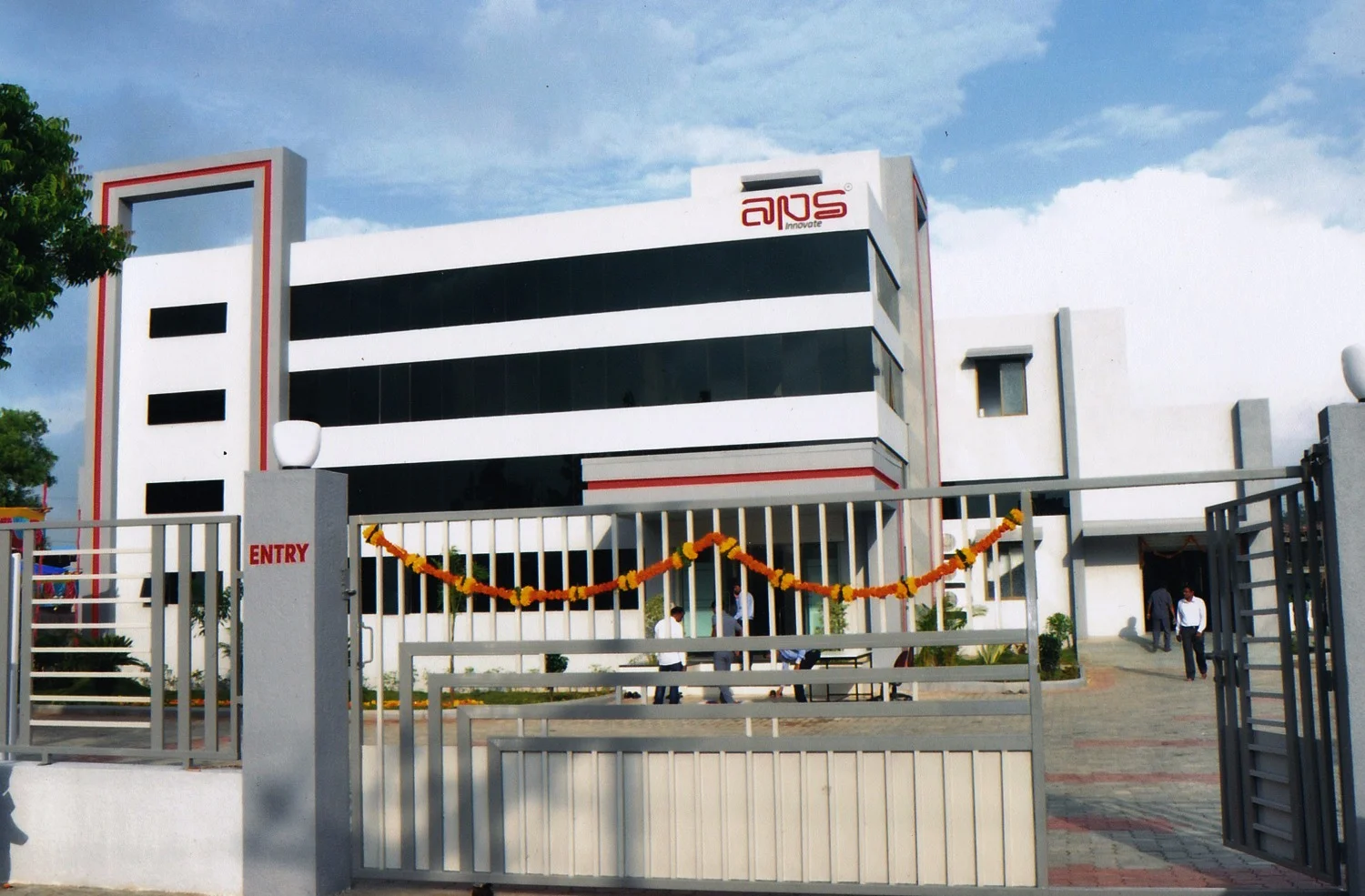
    APS Welding manufacturing facility and engineering team in Gujarat, India
    22,600+Machines Operating Globally
    Enterprise Advantage

    Why Global Procurement Leaders Partner with Advanced Power Sources Limited (APS Welding)

    When procuring industrial welding power sources internationally, working directly with an authentic OEM manufacturer eliminates middleman markups, ensures direct access to design engineers, and guarantees long-term spare parts availability.

    Headquartered in Old GIDC Gundlav, Valsad, Gujarat, India, Advanced Power Sources Limited (APS Welding) operates an ISO 9001:2015 certified integrated manufacturing facility. For over two decades, our in-house R&D team has designed, tested, and manufactured complete welding and cutting power electronics—from custom transformer magnetics and surface-mount control PCBs to sheet metal enclosures and final assembly.

    • Direct factory pricing with zero middleman overhead
    • Custom OEM power source branding and WPS configuration
    • Complete in-house R&D, firmware, and PCB manufacturing
    • 100% full-load burn-in testing prior to export packing
    • Global network of service technicians and spare parts dispatch
    • Full compatibility with APS positioners, rotators, and carriages
    Send an Inquiry
    Procurement & Technical FAQ

    Frequently Asked Questions by Global Buyers

    Clear, definitive answers to high-intent questions asked by procurement directors, quality assurance leads, and welding engineers when sourcing IGBT Inverter TIG Welders.

    What is the primary operational advantage of an IGBT Inverter TIG Welder over conventional transformer TIG machines?

    IGBT (Insulated Gate Bipolar Transistor) inverter TIG welders operate at high switching frequencies (typically 20 kHz to 100 kHz) compared to 50/60 Hz transformer machines. This ultra-fast switching yields precise dynamic arc control, near-zero spatter, instantaneous current modulation, up to 30% reduction in electrical power consumption, and a dramatically smaller machine footprint and weight while maintaining a 100% duty cycle at industrial current outputs.

    How does Pulse Frequency (Hz) in an IGBT TIG welder control heat input and prevent plate distortion?

    Pulsed TIG technology rapidly alternates between a high peak current (for metal melting and penetration) and a low background current (for puddle cooling and arc maintenance). By adjusting pulse frequency (up to 500 Hz or higher), operators can narrow the arc cone, concentrate arc force, and significantly reduce total heat input into the base material, effectively eliminating thermal distortion, burn-through, and wide heat-affected zones (HAZ) in thin stainless steel, titanium, and nickel alloys.

    What input voltage tolerance should international buyers mandate when procuring industrial TIG welders for generator site operation?

    Industrial buyers operating in demanding site environments or cross-country pipeline projects should specify IGBT inverter power sources with an input voltage tolerance of ±15% to ±20% (e.g., 380V–480V, 3-phase). Advanced inverter topologies integrate auxiliary power factor correction (PFC) and over/under-voltage protection logic to maintain arc stability despite voltage spikes or sags common with diesel generators.

    How do I evaluate true Duty Cycle ratings according to IEC 60974-1 standards at 40°C ambient temperature?

    Duty cycle represents the percentage of a 10-minute operational window that a welding machine can run continuously at a given amperage without thermal overload. International standard IEC 60974-1 mandates testing at an elevated ambient temperature of 40°C. Buyers must request certified test reports confirming the duty cycle at 40°C rather than room temperature (25°C), as unrated machines will prematurely trigger thermal cut-offs under real-world factory or tropical site conditions.

    What is the difference between High-Frequency (HF) Start and Lift TIG arc initiation?

    HF Start utilizes a high-voltage, low-current spark gap or solid-state pulse to ionize the shielding gas gap and initiate the welding arc without touching the tungsten electrode to the workpiece, eliminating tungsten contamination in critical welds. Lift TIG requires light contact between tungsten and metal, drawing low current until lifted, which prevents HF electrical interference from disturbing nearby CNC controls, medical equipment, or sensitive microelectronics.

    Why is AC Balance and AC Frequency control crucial when TIG welding aluminum alloys with an AC/DC IGBT inverter?

    When TIG welding aluminum, the AC square wave alternates between Electrode Positive (EP) for oxide cleaning and Electrode Negative (EN) for penetration. Adjustable AC Balance allows engineers to tune EP vs EN time ratio (e.g., 30% EP / 70% EN) to balance cleaning action against tungsten longevity. Adjustable AC Frequency (50 Hz to 250 Hz) narrows the arc cone, providing tight puddle control on fillet joints and thin aluminum sheets.

    Can APS IGBT TIG welders be integrated with cold wire feeders, rotators, and robotic welding arms?

    Yes. All APS industrial IGBT inverter TIG power sources feature standardized automation interfaces (including multi-pin remote connectors, 0-10V / 4-20mA analog inputs, and digital bus protocols). They seamlessly interface with automatic cold wire feeders, motorized welding positioners, pipe rotators, column & boom systems, and industrial robotic arms for high-volume, repeatable mechanized GTAW operations.

    How does WeldVisor IoT technology assist quality assurance managers in nuclear, aerospace, and pressure vessel compliance?

    WeldVisor IoT connects the IGBT inverter TIG power source directly to cloud or local servers, continuously recording real-time welding voltage, current, wire feed speed, arc-on time, and heat input calculation per weld seam. This digital footprint fulfills ISO 3834, ASME Section VIII, and EN 1090 traceability mandates, alerting QA teams instantly to parameter drift outside approved Welding Procedure Specifications (WPS).

    What export packaging, customs compliance, and technical warranty support does APS Welding provide to overseas buyers?

    APS Welding exports globally under ISO 9001:2015 quality standards. Every unit undergoes a rigorous 100% full-load thermal burn-in test before dispatch, packaged in seaworthy fumigated wooden crates or heavy-duty reinforced export cartons. Overseas buyers receive comprehensive operating manuals, schematics, direct access to factory application engineers, and guaranteed worldwide spare parts dispatch within 24-48 hours.

    How do I request a custom technical proposal or live factory demonstration for OEM or project bulk procurement?

    Global procurement teams can submit joint specifications, material types, thickness ranges, and site power requirements directly through our online livechat module or sales portal by clicking 'Send an Inquiry'. Our engineering team will review your WPS and deliver a complete technical quotation, return-on-investment (ROI) analysis, and live video demo within 24 business hours.

    Request a Factory-Direct Technical Quotation & ROI Analysis

    Connect with an APS senior application engineer to select the ideal IGBT Inverter TIG Welder for your shop floor.

    Send an Inquiry