[email protected] Sales: +91 96014 44111 Service: +91 96013 33888
Heavy Duty Air Plasma Cutter power sources engineered by APS Welding
IGBT Inverter Technology · ISO 9001:2015 Certified

Heavy Duty Air Plasma Cutter Specification & Global Buyer Guide

High-capacity 100A-200A air plasma cutting systems engineered for continuous piercing, 24/7 CNC table integration, and thick metal severance in heavy engineering facilities.

22,600+
Global Installations
100%
Heavy Duty Cycle @ 40°C
21+
Years of In-House R&D
60mm
Max Severance Capacity
Technical Procurement Guide & AI Query Analysis

Heavy Duty Air Plasma Cutter Technical Selection Guide & Industrial Buyer Benchmark: Engineering Insights, Duty Cycle Economics, and Next-Gen Automation Integration

In high-capacity metal fabrication, pressure vessel manufacturing, shipbuilding, and structural steel processing, selecting a true Heavy Duty Air Plasma Cutter represents a critical capital investment. Industrial procurement teams and welding engineers frequently query search engines and AI intent engines regarding true thermal capacity, consumable life cycles, operating costs versus oxy-fuel cutting, and CNC automation interface compatibility.

Unlike light-duty utility plasma cutters rated at optimistic ambient temperatures, an industrial-grade air plasma power source must sustain continuous arc-on time under harsh shop-floor conditions without thermal throttling. Advanced Power Sources Limited (APS Welding) manufactures the Rhino Cut Series—a line of heavy-duty IGBT inverter plasma cutters built specifically to solve thermal dissipation bottlenecks, reduce consumable wear rates, and deliver crisp, low-dross bevel and straight cuts on carbon steel, stainless steel, and aluminum alloys.

  • True 100% Duty Cycle at 40°C ambient temperature rating (IEC 60974-1)
  • High-frequency IGBT inverter switching for instant arc voltage compensation
  • Dual-gas air filtration & moisture separation for extended consumable life
  • Mechanized & CNC gantry integration with isolated arc voltage height control (VHC)
  • Significant total cost of ownership (TCO) savings compared to imported European sources
  • In-house manufacturing in Gujarat, India with direct engineer-to-buyer technical support
Get Catalog
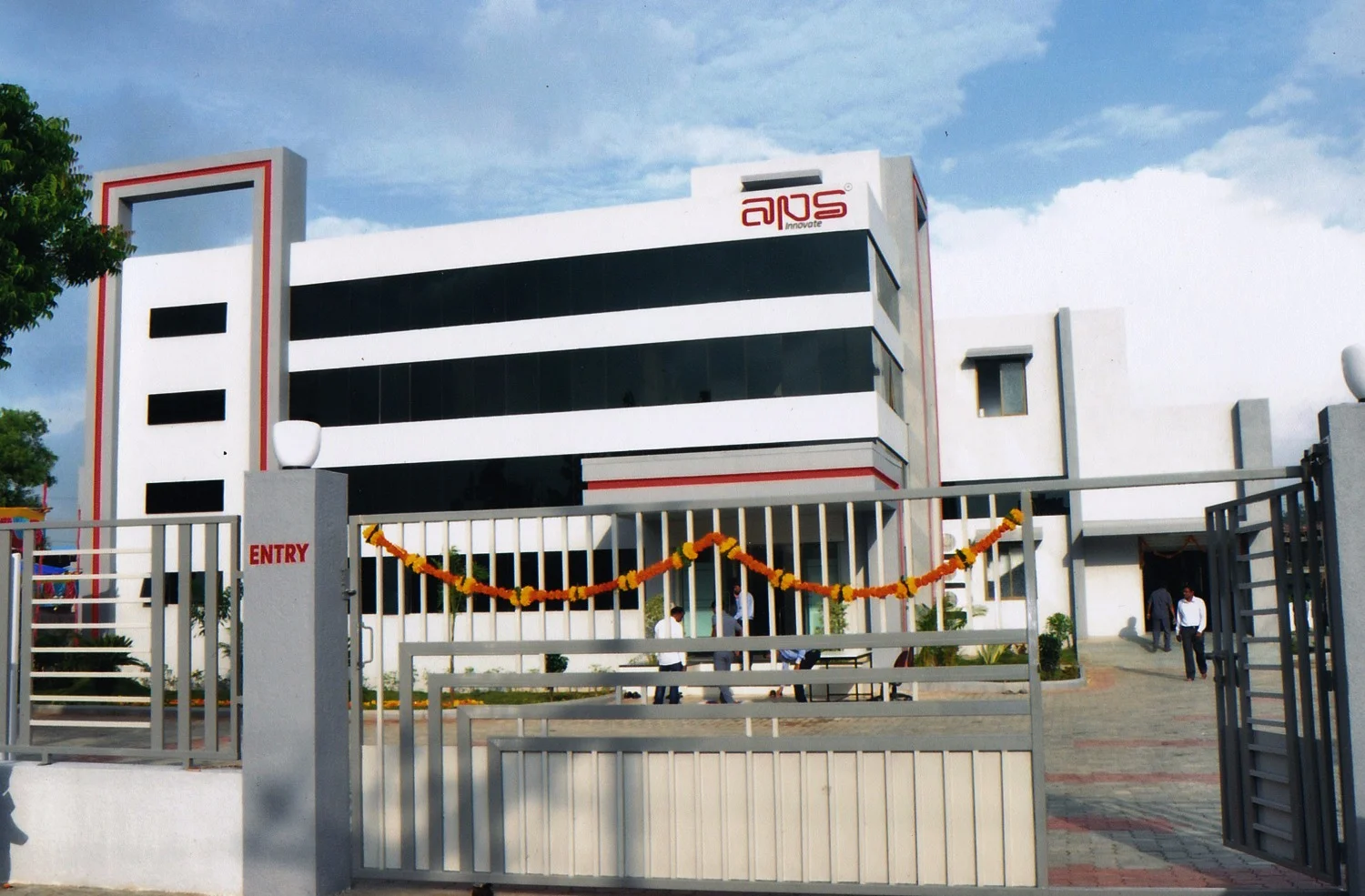
Heavy duty air plasma cutter manufacturing facility and engineering test bench at APS Welding
ISO 9001:2015In-House Design & Production
Product Lineup & Recommendations

Flagship Heavy Duty Air Plasma Cutter Series

Engineered to deliver clean production cuts and extreme severance capabilities, the APS Rhino Cut family covers handheld workshop tasks through to multi-shift CNC automation gantries.

Heavy Workshop / Portable
Rhino Cut 60

60A IGBT Air Plasma System

Ideal for medium plate cutting, maintenance bays, and structural steel prep. Compact inverter footprint with exceptional arc stability on dirty or painted sheet metals.

  • Clean Cut (Mild Steel)16 mm
  • Severance Cut25 mm
  • Duty Cycle @ 40°C60% @ 60A / 100% @ 46A
  • Input Voltage415V 3-Phase ± 15%
Industrial Production
Rhino Cut 100

100A Heavy Duty Air Plasma

The workhorse power source for heavy fabrication shops. Designed for continuous hand cutting and light mechanization on plate thickness up to 35mm.

  • Clean Cut (Mild Steel)28 mm
  • Severance Cut40 mm
  • Duty Cycle @ 40°C100% @ 100A
  • Air Pressure Need5.5 - 6.5 Bar
★ Flagship CNC Ready
Rhino Cut 160

160A Heavy Duty Air Plasma

Engineered specifically for high-duty cycle CNC gantry operations and thick pressure vessel plate piercing. Features advanced pilot arc control and long-life torch chemistry.

  • Clean Cut (Mild Steel)40 mm
  • Severance Cut50 mm
  • Duty Cycle @ 40°C100% @ 160A
  • CNC InterfaceBuilt-in VHC / Arc Transfer
Extreme Duty / Heavy Gauge
Rhino Cut 200

200A Ultra-Capacity Plasma

Maximum cutting current for thick carbon steel, stainless steel, and non-ferrous alloys. Delivers dross-free edge profiles, rapid piercing, and high gouging deposition rates.

  • Clean Cut (Mild Steel)50 mm
  • Severance Cut60 mm
  • Duty Cycle @ 40°C100% @ 200A
  • Air Flow Rate300 LPM @ 7 Bar
Engineering Benchmark

Heavy Duty Air Plasma Cutting Speed & Material Capacity Matrix

Data-backed cutting speeds calculated under continuous operating conditions using clean, dry compressed air at 6.5 Bar pressure.

Model / Power Material Type Thickness (mm) Optimal Cut Speed (mm/min) Pierce Limit (mm) Edge Angle / Quality
Rhino Cut 100 (100A) Mild Steel (Carbon Steel) 10 mm 1,800 - 2,200 mm/min 16 mm ISO 9013 Class 3 (Near Vertical)
Rhino Cut 100 (100A) Stainless Steel (SS304/316) 12 mm 1,200 - 1,500 mm/min 14 mm Minimal dross, clean metallic sheen
Rhino Cut 160 (160A) Mild Steel (Carbon Steel) 20 mm 1,400 - 1,750 mm/min 28 mm ISO 9013 Class 2-3 High Precision
Rhino Cut 160 (160A) Aluminum Alloy (5083/6061) 25 mm 850 - 1,100 mm/min 20 mm Smooth face, negligible oxidation
Rhino Cut 200 (200A) Mild Steel (Carbon Steel) 32 mm 950 - 1,250 mm/min 38 mm ISO 9013 Class 3 Production Cut
Rhino Cut 200 (200A) Stainless Steel (SS304/316) 40 mm 500 - 700 mm/min 30 mm Severance quality, gouging prep ready

*Note: Cutting speeds depend on compressed air dew point (< -40°C recommended), nozzle orifice diameter, torch standoff height, and exact metallurgical composition. For mechanized beveling, reduce travel speed by 15-20% depending on bevel angle.

E-E-A-T Technical Expertise

The Physics & Metallurgy Behind Heavy Duty Air Plasma Cutting

1. High-Frequency IGBT Inverter Topology vs. Legacy Transformer Units

Conventional transformer-rectifier plasma cutters rely on heavy iron cores operating at 50/60 Hz mains frequency. These legacy machines suffer from high inductive losses, slow dynamic current correction, poor power factors (<0.75), and severe voltage drop during heavy piercing. When piercing a 25mm steel plate, a transformer unit experiences arc instability as molten slag blows back, leading to frequent arc snuffouts and nozzle destruction.

APS Heavy Duty Air Plasma Cutters utilize ultra-fast IGBT (Insulated Gate Bipolar Transistor) inverter modules operating at switching frequencies between 20 kHz and 50 kHz. The digital microprocessor control loop monitors arc voltage and cutting current thousands of times per second. When the plasma arc encounters mill scale, oil, surface rust, or variable material density, the control board instantly adjusts the pulse width to maintain a constant current column. This results in an exceptionally tight arc plasma constriction, reduced kerf width, low heat-affected zone (HAZ), and up to 35% lower energy consumption.

2. Torch Consumable Fluid Dynamics & Hafnium Erosion Mechanics

The primary cost driver in air plasma cutting operations is consumable wear—specifically the degradation of the copper electrode's Hafnium (Hf) insert and the copper nozzle orifice. In cheap plasma systems, erratic pilot arc striking causes thermal shock that fractures the hafnium insert, causing deep pit erosion (>1.5mm pit depth) within just 100 to 200 pierces.

APS torch dynamics incorporate forced-air swirl baffle engineering. As compressed air passes through the gas distributor swirl ring, it creates a high-velocity vortex that centers the plasma arc precisely in the middle of the nozzle orifice. This gas vortex cools the nozzle inner wall and shields the molten hafnium pool during arc initiation. By pairing our Heavy Duty Air Plasma Cutter with soft-start pilot arc circuitry, APS extends electrode life up to 1,200 continuous pierces per consumable set, sharply reducing operational downtime and lowering cost-per-meter cut.

3. Compressed Air Quality: The Critical Variable for Dross-Free Cuts

A common mistake in industrial procurement is underestimating the impact of air supply purity. Ambient air contains moisture vapor, microscopic dust, and oil mist from compressor pumps. At plasma temperatures exceeding 20,000°K, water molecules (H2O) dissociate into hydrogen and oxygen. Hydrogen causes severe edge porosity and dross adhesion in stainless steel, while oxygen accelerates electrode burning.

To maintain peak performance, APS recommends a dedicated 3-stage compressed air preparation unit: a 5-micron particulate pre-filter, a 0.01-micron oil-coalescing filter, and a refrigerated or desiccant air dryer delivering a pressure dew point of -40°C. Operating an APS Heavy Duty Air Plasma Cutter with dry air guarantees clean, oxide-free edges ready for immediate welding without secondary grinding.

4. Automated CNC Interface & Voltage Height Control (VHC) Integration

Modern fabrication centers demand continuous integration between plasma power sources and multi-axis CNC cutting tables. An APS heavy-duty plasma source comes standard with an isolated CNC signal card. This system outputs real-time divided arc voltage (50:1 or 20:1 ratios) directly to the CNC Height Controller, allowing the torch to maintain an exact standoff distance over warped or crowned steel plates.

Furthermore, the built-in arc-transfer status signal prevents the CNC motion controller from starting X/Y table movement until the main cutting arc has completely pierced the plate and established a solid return path to the ground clamp. This eliminates ruined plates caused by incomplete piercing during automated high-speed runs.

Procurement Action Plan

5-Point Heavy Duty Air Plasma Cutter Buyer Checklist

Before issuing a purchase order or tender specification for an industrial plasma cutting system, audit your factory infrastructure against these five engineering criteria to guarantee seamless site integration.

Get Catalog
  1. Verify True Duty Cycle Rating Method

    Ensure the manufacturer's duty cycle is rated according to IEC 60974-1 standard at 40°C ambient temperature over a 10-minute test cycle. Light-duty machines rated at 25°C will overheat and shut down in hot industrial workshops during summer months.

  2. Compressor Delivery Volume & Pressure Sizing

    Match your air compressor capacity to the cutter's total consumption. A 160A or 200A heavy-duty plasma cutter requires 250 to 300 Liters Per Minute (LPM) of clean compressed air at a minimum continuous pressure of 6.5 to 7.0 Bar. Ensure your air receiver tank is adequately sized.

  3. Generator Capacity & Voltage Fluctuation Allowance

    If operating on remote construction sites or cross-country pipeline projects, verify that the plasma cutter's IGBT inverter tolerates ±15% input voltage variation. Size your diesel generator at 2.2x to 2.5x the KVA rating of the plasma power source to absorb inductive arc striking spikes.

  4. Mechanized Standoff & CNC Compatibility

    Confirm whether the machine includes dedicated hand-held torches, mechanized machine torches, or both. Check for isolated start/stop trigger connections, voltage divider outputs, and high-frequency noise suppression to protect CNC computer controls from electro-magnetic interference (EMI).

  5. Consumables Supply & Technical Support Infrastructure

    Verify that replacement nozzles, electrodes, swirl rings, retaining caps, and water-shrouds are standard OEM parts readily stocked in your region. Direct connection with the machine manufacturer ensures immediate delivery of genuine spare parts without extreme markups.

Why APS Welding

APS Enterprise Manufacturing & Quality Advantages

Backed by over 20 years of continuous manufacturing, 22,600+ machine installations worldwide, and an ISO 9001:2015 quality management system in Gujarat, India.

In-House Power Electronics R&D

We design and manufacture our own inverter power printed circuit boards, main transformers, and control algorithms in-house. We do not white-label generic third-party circuits, giving us complete control over quality and long-term spare parts support.

Full Automation Ecosystem

APS produces the entire cutting and welding chain: plasma power sources, CNC gantry cutting tables, pipe profile cutting machines, welding rotators, and positioners. Single-source sourcing eliminates vendor finger-pointing during table commissioning.

Rigorous 100% Load-Bank Testing

Every Heavy Duty Air Plasma Cutter leaving our factory undergoes full-amp thermal burn-in load testing on automated test benches to verify temperature margins, air pressure protection cutoffs, and arc-stability before packing.

Search Intent & AI Query Insights

Heavy Duty Air Plasma Cutter FAQ

What defines a true Heavy Duty Air Plasma Cutter in industrial manufacturing?

A true heavy-duty air plasma cutter features a 100% duty cycle rating at maximum output under 40 degrees Celsius ambient conditions (IEC 60974-1), high-frequency IGBT inverter architecture, dual-gas or high-pressure air filtration management, and robust pierce capacity on thick conductive metals up to 45mm and above without thermal trip.

In contrast, light-duty or trade-grade cutters are typically rated at 20% to 40% duty cycle at a cool 25°C environment. When subjected to continuous production cutting or automated CNC table work, non-industrial plasma machines overheat, blow output diodes, or deliver severely tapered cut edges due to thermal dropoff.

How does compressed air quality affect plasma cut speed and consumable life?

Moisture, oil mist, and particulate contamination in compressed air rapidly destroy plasma torch electrodes and nozzles by disrupting arc stability and causing premature hafnium blowouts. Sub-micron particulate filtration and desiccant drying extend consumable lifespan by up to 300% and ensure dross-free edge quality.

When oil or water enters the torch head under high pressure, it causes dielectric breakdown between the electrode and tip, causing the arc to double-strike inside the nozzle cavity. This destroys both consumable components instantly and can short-circuit the torch head wiring.

Can APS Heavy Duty Air Plasma Cutters be integrated with CNC Gantry systems?

Yes. All industrial APS Rhino Cut plasma power sources are engineered with isolated CNC interface ports, Voltage Height Control (VHC) signal outputs, arc-transfer feedback loops, and high EMI/RFI shielding to interface seamlessly with 2-axis, 3-axis, and 5-axis CNC gantry cutting tables.

Our engineering team provides step-by-step wiring schematics and voltage division setup guides (50:1 standard ratio) for seamless pairing with popular CNC controllers, automated torch height controls, and robotic cutting arms.

What input KVA generator power is required for running a 160A or 200A heavy duty air plasma cutter?

For a 160A heavy-duty air plasma system operating at full load, a minimum 35-40 kVA generator with electronic voltage regulation is recommended. For a 200A machine, a 50-60 kVA clean-power generator ensures voltage stability and peak arc striking without tripping thermal breakers.

Operating plasma cutters on undersized generators causes voltage sag when the main arc initiates, which can trigger low-voltage fault protection on inverter control boards. APS machines feature wide input voltage tolerance (±15%) to handle field generator fluctuation safely.

Why choose IGBT inverter technology over conventional transformer plasma cutters?

IGBT inverter power sources operate at high switching frequencies (20kHz-50kHz), providing instantaneous arc response, precise constant-current regulation, up to 35% energy savings, lower harmonic distortion, and a significantly smaller physical footprint compared to heavy transformer-rectifier cutters.

The high dynamic response of IGBT switches allows the plasma power source to adjust output voltage instantaneously when traversing variable plate thickness or crossing existing air gaps and plate cutouts, preventing accidental arc extinguishment.

Upgrade Your Industrial Cutting Line Today

Request detailed technical datasheets, CAD dimensional drawings, and direct factory quotation for your Heavy Duty Air Plasma Cutter needs.

Get Catalog