[email protected] Sales: +91 96014 44111 Service: +91 96013 33888
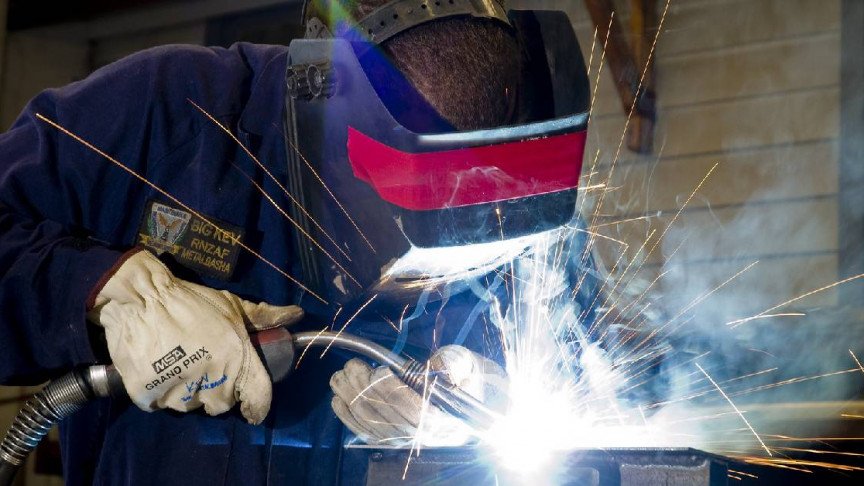
Heavy duty Submerged Arc Welding Machine operating in a pressure vessel manufacturing facility
ISO 9001:2015 Certified · Industrial SAW Technology

Submerged Arc Welding Machine Procurement & Technology Guide

Heavy-duty IGBT Inverter SAW power sources engineered for maximum deposition rates, 100% duty cycle, and zero-defect welds on structural steel, pressure vessels, and wind towers.

1,400+
Global Industrial Clients
22,600+
Power Sources Field Installed
21+
Years In-House Manufacturing
100%
Continuous Duty Rating (IEC 60974-1)
Engineering Excellence & Intent Mining

How Global Procurement Leaders Evaluate a Submerged Arc Welding Machine in 2025

Submerged Arc Welding (SAW) remains the undisputed benchmark process for heavy plate fabrication, pressure vessel fabrication, wind tower manufacturing, structural steel beam construction, and offshore foundation jacket production. Achieving flawless X-ray quality welds on 10mm to over 100mm carbon steel or alloy plates requires more than basic current delivery; it demands precise arc control, thermal efficiency, and sustained electrical stability under 100% duty cycles.

At Advanced Power Sources Limited (APS Welding), we design and manufacture heavy-duty IGBT inverter Submerged Arc Welding Machines that directly replace energy-intensive transformer/SCR power sources. By shifting from 50Hz mains transformers to high-frequency IGBT inverter topologies, our SAW equipment delivers over 88% electrical efficiency, reduces power consumption by up to 30%, and offers instant digital arc control to eliminate weld defects like lack of penetration, slag inclusions, or excessive heat-affected zone (HAZ) grain growth.

  • CC/CV Dual Characteristic Inverter Power Architecture
  • 100% Duty Cycle at 1000A / 1250A under 40°C Ambient
  • Integrated WeldVisor IoT Real-Time Data Logging
  • Automatic Wire Feed Speed & Encoder-Based Carriage Sync
  • Pre-Heated Granular Flux Recirculation Readiness
  • Wide Line-Voltage Immunity (±15% Mains Fluctuation)
Inquire Now
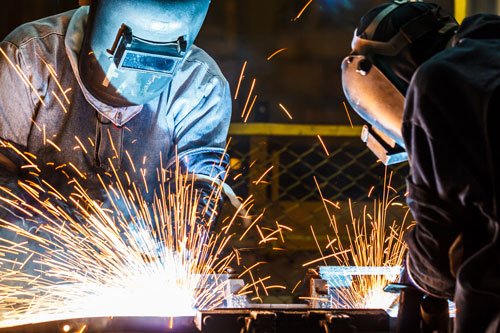
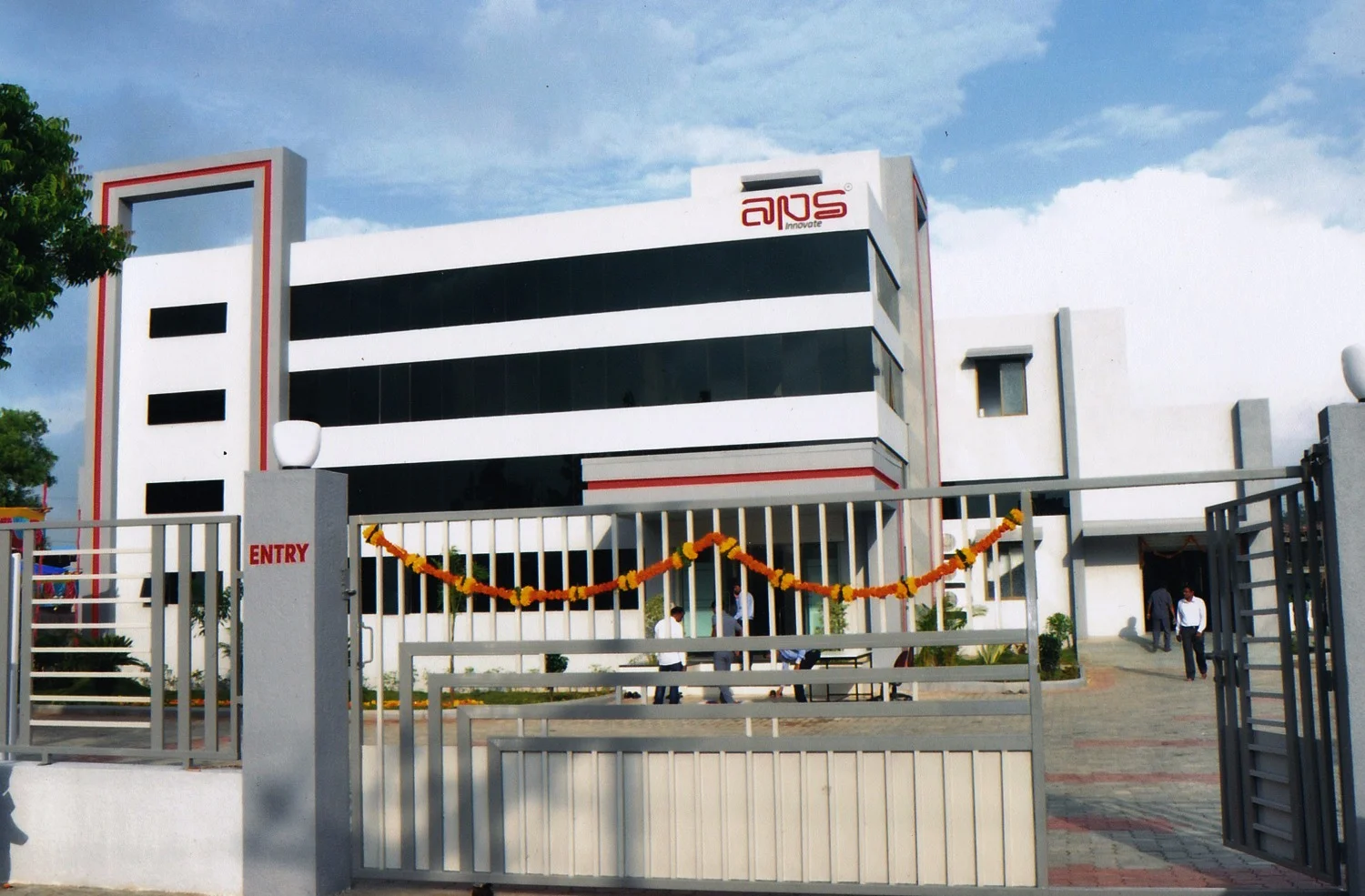
APS Welding manufacturing facility producing industrial submerged arc welding machines
20+ YearsIn-House Design & SAW Manufacturing
Product Selection Guide

Recommended Submerged Arc Welding Machine Systems

Engineered to meet the stringent demands of ASME Section VIII pressure vessel codes, AWS D1.1 structural welding standards, and EN ISO 17636 non-destructive testing requirements.

Flagship SAW Power
Endeavour 1250 CCCV

1250A Multi-Process Inverter

The definitive heavy-duty power source for ultra-thick plate joining, heavy circumferential vessel seams, and high-deposition cladding.

  • Output Current Range100A – 1250A
  • Duty Cycle (40°C)100% @ 1250A
  • ProcessesSAW, Heavy MIG, SMAW, Gouging
  • Wire Diameters2.4mm to 5.0mm Solid Wire
Inquire Now
Industrial SAW Workhorse
Endeavour 1000 Heavy

1000A Dedicated SAW Inverter

Optimized for structural steel fabricators, H-beam lines, and medium-to-heavy wall tank welding operations requiring relentless multi-shift runtime.

  • Output Current Range100A – 1000A
  • Duty Cycle (40°C)100% @ 1000A
  • Voltage RegulationDigital Closed-Loop
  • Wire Diameters2.0mm to 4.0mm Solid Wire
Inquire Now
Automated Travel
AutoTrak SAW Tractor

Motorized Travel Carriage

Precision 4-wheel drive automatic SAW tractor equipped with integrated flux hopper, heavy-duty wire feeder, and intuitive digital control panel.

  • Travel Speed Range100 – 1500 mm/min
  • Flux Hopper Capacity10 Liters Heavy Duty
  • Wire Feed Mechanism4-Roll Encoder Drive
  • Guidance SystemLaser / Mechanical Pointer
Inquire Now
Heavy Automation
Column & Boom Integration

Manipulator SAW Package

Turnkey SAW head and power package customized for integration onto Column & Boom manipulators, vessel rotators, and turning rolls.

  • CommunicationAnalog / Digital Bus
  • Seam TrackingTactile / Optical Sync
  • RecirculationAutomatic Flux Vacuum
  • ApplicationVessel Shells & Wind Towers
Inquire Now
Information Gain & Metallurgy

Core Physics and Technical Metrics of Submerged Arc Welding

Understanding the thermal dynamics, deposition math, and electrical requirements is vital when procuring industrial SAW equipment.

1. High Deposition Rates & Heat Input Optimization

Submerged Arc Welding operates under a blanket of granular fused or bonded flux, eliminating atmospheric arc radiation and molten splash. Because thermal losses to ambient air are virtually eliminated, the electrical arc heat efficiency ($\eta$) approaches 90–95%. This enables deposition rates ranging from 8 kg/hr for single-wire DC systems up to 25+ kg/hr for tandem multi-wire AC/DC configurations.

Controlling heat input ($KJ/mm = \frac{Voltage \times Amperage \times 0.06}{Travel Speed [mm/min]}$) is essential to preserve mechanical impact toughness (Charpy V-Notch values) in thick grain-refined steels. APS Endeavour inverter sources utilize high-speed micro-controllers to adjust output waveforms 20,000 times per second, guaranteeing target heat input limits even when travel speed varies slightly.

2. Constant Voltage (CV) vs. Constant Current (CC) Dynamics

A common procurement dilemma is choosing between CC and CV mode for SAW. Constant Voltage (CV) mode provides self-regulating arc length dynamics; when the wire feed speed is fixed, any change in arc length produces an automatic current spike or drop to restore equilibrium. CV is optimal for wire diameters from 2.0mm to 3.2mm.

Conversely, Constant Current (CC) mode is selected for heavy wire diameters (4.0mm to 6.0mm) paired with arc-voltage-sensing wire feeders. In CC mode, penetration depth remains strictly constant despite minor surface irregularities. APS multi-process SAW power sources offer digitised toggle switching between CC and CV modes, providing ultimate adaptability across varied joint geometries.

Technical Evaluation Matrix

Comparing SAW Technologies & Alternative Joining Methods

Compare performance parameters across legacy transformer SAW, modern inverter SAW, high-current FCAW, and multi-wire tandem SAW setups.

Performance Parameter Legacy SCR Transformer SAW APS Inverter SAW (Endeavour 1250) Heavy FCAW / MIG (GMAW) Tandem AC/DC Inverter SAW
Primary Power Efficiency 60% – 70% 88% – 92% 80% – 85% 88% – 92%
Power Factor ($\cos \phi$) 0.65 – 0.75 (Poor) 0.93 – 0.98 (Excellent) 0.85 – 0.90 0.95 (PFC Enabled)
Maximum Deposition Rate 6 – 10 kg/hr 10 – 14 kg/hr (Single Wire) 3 – 6 kg/hr 18 – 26 kg/hr (Tandem)
Penetration Capability Deep (10-15mm single pass) Very Deep (Up to 18mm single pass) Moderate (4-8mm) Extreme Deep (20mm+)
Spatter & UV Exposure Zero Spatter / Zero Open Arc Zero Spatter / Zero Open Arc High Spatter / Full UV Exposure Zero Spatter / Zero Open Arc
Arc Parameter Response Time 100 ms (Slow Transformer) < 1 ms (High-Frequency IGBT) 5 – 10 ms < 1 ms Dual Waveform Control
Operating Duty Cycle (40°C) 60% to 100% (Bulky) 100% Continuous Industrial 60% to 80% typical 100% Continuous Heavy Bay
Procurement Suitability Legacy Replacement Only Optimal Standard Choice → Light/Medium Fabrication Ultra-Heavy Wind Towers/Vessels

Calculations based on standard EN ISO specifications and 400V 3-phase supply conditions. Actual deposition rates depend on wire melt-off rates, stick-out length, and flux classification.

Heavy Industry Integration

Where Submerged Arc Welding Machines Drive Productivity

Field-tested reliability in mission-critical applications where weld failure is not an option.

Pressure Vessel & Boiler Fabrication

ASME Boiler and Pressure Vessel Code (BPVC) compliant longitudinal and circumferential shell seams using automated rotators and Endeavour 1250 SAW units.

Wind Tower & Offshore Jacket Lines

Continuous double-sided submerged arc welding of thick conical steel sections for offshore wind turbine foundations and monopiles.

LSAW & HSAW Pipeline Manufacturing

High-speed internal and external seam welding of API 5L line pipes engineered for high-pressure oil and gas transmission lines.

Structural Bridge Girders & Box Beams

Automated fillet and butt welding of heavy structural I-beams, H-beams, and bridge box sections with dual-head tractor carriages.

Shipbuilding & Naval Architecture

High-deposition flat plate panel line welding, stiffener attachment, and deck plate joining in commercial and defense shipyards.

Heavy Equipment & Crushing Machinery

Hard-facing, wear plate cladding, and structural welding of earthmoving buckets, rock crusher rolls, and mining equipment frames.

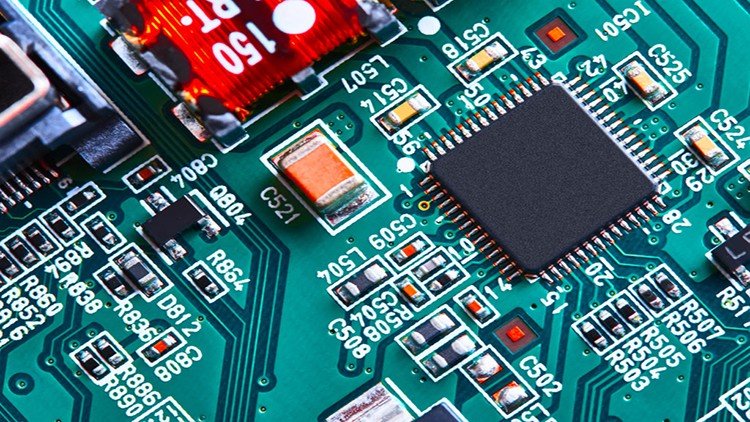
APS Welding in-house PCB engineering and quality control department
ISO 9001:2015Strict Quality Assurance
E-E-A-T: Trust & Corporate Authority

Why Direct Procurement from APS Welding Eliminates Supply Risk

Advanced Power Sources Limited (APS Welding) operates a fully integrated, state-of-the-art manufacturing plant in Valsad, Gujarat, India. Unlike trading entities or OEM re-branders, we own the complete engineering lifecycle from power electronics circuit board design to heavy sheet metal chassis fabrication and final automated load-bank certification.

Every Submerged Arc Welding Machine exported from our factory undergoes rigorous thermal stress testing, insulation breakdown testing, and continuous full-load current verification under simulated ambient conditions up to 45°C. Our in-house R&D team holds deep expertise in power electronics, magnetic transformer design, and firmware algorithms, ensuring fast delivery of replacement parts and expert engineering consultations throughout the equipment lifetime.

  • Direct Manufacturer Pricing & Factory Warranty
  • Modular Electronics for Fast Field Servicing
  • Complete Technical Manuals & Schematic Transparency
  • Custom Site-Voltage Engineering (380V – 480V, 50/60Hz)
  • Comprehensive Spare Parts Availability Guaranteed for 10+ Years
  • Dedicated On-Site & Virtual Commissioning Support
Inquire Now
Engineering Checklist

5 Essential Steps Before Issuing a Submerged Arc Welding Machine RFP

Prevent costly technical mismatches, project delays, and import misconfigurations by verifying these crucial parameters with your engineering team.

Inquire Now
  1. Input Mains Voltage & KVA Generator Capacity

    Determine exact site line voltage (e.g., 380V, 415V, or 440V 3-Phase). Ensure site generator rating provides at least 1.3 times the maximum kVA input demand of the SAW power source to handle striking current spikes.

  2. Wire Diameter & Deposition Rate Targets

    Select wire sizes based on plate thickness. Use 2.4mm to 3.2mm wires for 10–25mm plates, and 4.0mm to 5.0mm wires for >30mm plates. Match wire size with corresponding contact tips and drive roll grooves.

  3. Flux Type & Conditioning Equipment

    Identify whether your WPS specifies Agglomerated (Bonded) or Fused Flux. Ensure your procurement package includes a heated flux hopper (up to 120°C) and flux holding oven to prevent moisture absorption and hydrogen cracking.

  4. Automation Mechanical Compatibility

    Confirm whether the SAW power source needs to communicate with existing Column & Boom manipulators, turning rolls, or tractor carriages via 0-10V analog signals, Modbus, or dry contact relays.

  5. Duty Cycle Certification Ambient Temperature

    Verify that the manufacturer's 100% duty cycle rating is tested at 40°C ambient temperature according to IEC 60974-1 standards, rather than an unverified 25°C rating that leads to thermal shutdown during continuous operation.

Knowledge & Support

Welding Solutions & Technology Guide

Guide on how to choose the right welding machine

How to Choose a Welding Machine

Match process, current range, duty cycle and input power to your application.

Read the Guide →
APS dealer and service network supporting welding customers

Dealer & Service Network

Find an authorised APS partner for sales, spares and on-site support.

View Our Network →

Always Reachable

Dedicated lines for sales (+91 96014 44111) and service bookings (+91 96014 44222), so your request reaches the right team first time.

Best Value

Because we design and manufacture every product ourselves, we deliver international-grade technology and service at optimised cost.

Professionally Qualified

Our sales and service engineers are trained regularly on new products and service techniques for dependable after-sales support.

Buyer Questions

Frequently Asked Questions: Submerged Arc Welding Machines

What is an IGBT Inverter Submerged Arc Welding (SAW) Machine and why is it superior to old SCR transformers?

An IGBT Inverter Submerged Arc Welding Machine utilizes high-frequency Insulated Gate Bipolar Transistors to rectify and step down input power, offering over 88% electrical efficiency, superior arc stability, precise digital parameter control, and significantly lower power consumption compared to traditional SCR or transformer-based SAW sources.

How do I select the right amperage rating for my Submerged Arc Welding Machine?

Selection depends on wire diameter and plate thickness. A 1000A SAW power source handles 2.4mm to 4.0mm wires for medium to heavy plates (up to 50mm), while a 1250A CC/CV power source easily supports 3.2mm to 5.0mm wire diameters for thick pressure vessels, structural steel girders, and wind tower longitudinal seams requiring high deposition rates.

Can APS Submerged Arc Welding Machines be integrated with automated column & boom systems?

Yes. APS SAW power sources feature standard analog and digital communication interfaces, making them fully compatible with Column and Boom manipulators, self-aligning welding rotators, seam trackers, and mechanized travel carriages.

What is the difference between Constant Current (CC) and Constant Voltage (CV) modes in SAW welding?

Constant Voltage (CV) mode is primarily used with fine-to-medium wire diameters where wire feed speed dictates current, maintaining a constant arc length automatically. Constant Current (CC) mode is preferred for heavy wire diameters (4.0mm to 6.0mm) with voltage-sensing wire feeders, providing deeper penetration and strict control over heat input.

Why is granular flux control critical in heavy-duty Submerged Arc Welding?

Granular flux insulates the weld pool from atmospheric contamination, prevents oxidation, slows cooling rates to avoid cracking, and shapes the weld bead profile. High-performance SAW systems require steady flux delivery and heating to eliminate moisture-induced hydrogen cracking.

How does APS ensure reliability under 100% continuous duty cycle requirements?

APS engineers SAW power sources with heavy-duty copper magnetics, high-efficiency thermal heat sinks, forced-air cooling tunnels, and class-H insulation, rated to IEC 60974-1 standards at 40°C ambient temperatures for uninterrupted multi-shift operation.

Can one APS SAW machine handle multi-process operations like Gouging or Heavy MIG?

Yes, flagship models such as the APS Endeavour 1250 CCCV operate as 5-in-1 power sources, supporting Submerged Arc Welding (SAW), Heavy GMAW (MIG/FCAW), Shielded Metal Arc Welding (SMAW), Hard-facing, and Carbon Arc Gouging (CAG).

How does APS support international buyers with spare parts and commissioning?

APS offers complete export documentation, site voltage customization (380V/415V/440V/480V at 50/60Hz), modular plug-and-play circuit board kits, virtual engineering support, and comprehensive maintenance documentation for hassle-free worldwide operation.

Ready to Upgrade Your Submerged Arc Welding Capability?

Connect directly with an APS application engineer to specify your power source, wire drive, and automation requirements.

Inquire Now