
[email protected] Sales: +91 96014 44111 Service: +91 96013 33888
Cold Wire Feeder for TIG Welding in high precision industrial fabrication
High-Deposition TIG Automation

Cold Wire Feeder for TIG Welding: Precision Engineering & Global B2B Buyer Guide

Eliminate manual filler dependency, increase deposition by up to 150%, and achieve 100% repeatable code-quality GTAW welds with micro-step pulse synchronization.

+150%
Deposition Rate Gain
≤0.5%
X-Ray Defect Rate
20+
Years R&D Mastery
22,600+
Global Installations
Advanced Power Sources Limited

Automated Cold Wire Feeder for TIG Welding: Technical Excellence & Production ROI

Manual Tungsten Inert Gas (GTAW / TIG) welding remains the gold standard for weld aesthetics and metallurgical purity across pressure vessels, aerospace components, nuclear piping, and stainless steel sanitary tubes. However, manual wire feeding creates an inherent production bottleneck: it demands extraordinary operator dexterity, limits wire deposition rates to roughly 0.4–0.8 kg/hr, and introduces heat input variability that can compromise corrosion resistance.

A Cold Wire Feeder for TIG Welding solves this operational dilemma by introducing an electronically governed, continuous filler wire feed directly into the molten TIG weld pool. Unlike hot-wire systems that require secondary current preheating power supplies, a cold wire feeder delivers ultra-precise mechanical wire delivery synchronized with pulse arc timing. This technology doubles or triples deposition rates while maintaining low heat input, minimizing thermal distortion and joint dilution.

At APS Welding (Advanced Power Sources Limited), we engineer fully integrated cold wire feeder systems and microprocessor-controlled power sources designed in-house at our ISO 9001:2015 certified facility in Gujarat, India. By giving global procurement officers direct access to manufacturer-level R&D and custom torch interface engineering, we empower fabrication shops worldwide to modernize their GTAW workcells affordably and reliably.

  • Micro-step motor digital wire drive mechanism
  • Pulse-arc frequency synchronization (0.1–10 Hz wire retract/pulse)
  • Integrated burn-back & dynamic wire retract control
  • Compatible with stainless, nickel alloys, titanium, and carbon steel
  • Seamless interface with manual, mechanized, and orbital TIG torches
  • Factory-backed ISO 9001:2015 quality assurance and technical export service
Get Catalog
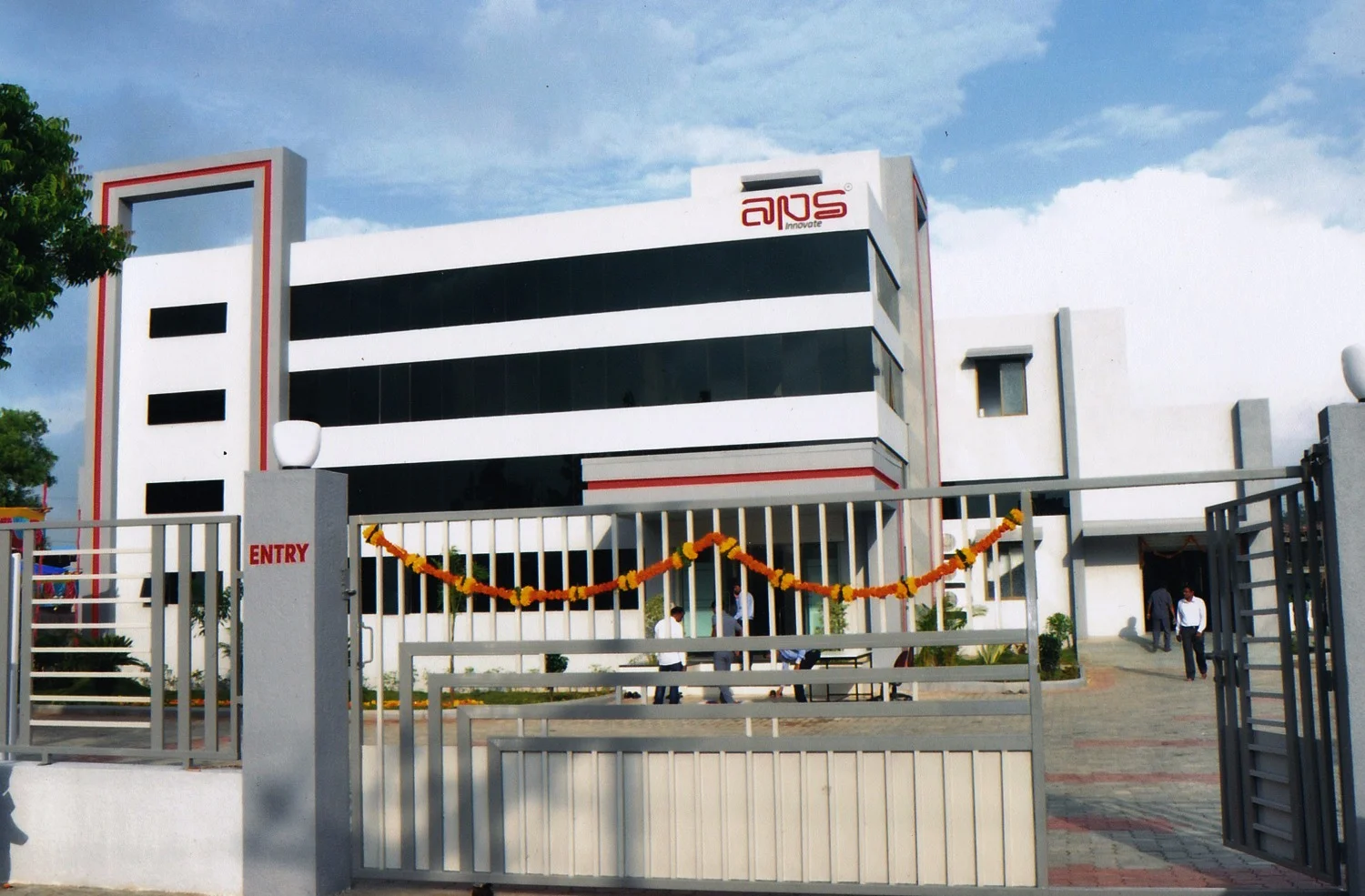
APS Welding engineering facility and automated manufacturing setup
20+ YearsOf Heavy Engineering Fabrication Excellence
Product Recommendations

APS Precision Cold Wire Feeder Systems & Technical Specifications

Engineered to work seamlessly with APS Apollo Pulse TIG power sources or standard third-party GTAW machines, our cold wire feeding equipment is built for heavy duty continuous industrial usage.

Industrial Flagship

APS-CWF 100 Digital Cold Wire Feeder

Designed for shop floor production lines, pipe spools, and pressure vessel manufacturing. Features a 4-roll microprocessor-controlled wire drive with digital LCD speed display and dynamic wire retract functionality.

  • Wire Feed Speed0.2 – 10.0 m/min
  • Wire Diameters0.8, 1.0, 1.2, 1.6 mm
  • Retract / Burnback0.01 – 2.00 sec programmable
  • Input Voltage230V 1-Phase 50/60 Hz
High-Precision Pulse Sync

APS-CWF 200 Synchronized Pulse Feeder

Advanced pulse-synchronized cold wire feeder designed for thin-wall stainless steel, aerospace alloys, and orbital TIG systems. Wire pulse frequency synchronizes directly with TIG peak and background current transitions.

  • Pulse Frequency0.1 – 20 Hz synchronized
  • Drive Mechanism4-Roll Servo Stepper Motor
  • Memory Slots20 programmable jobs
  • Torch MountingUniversal torch bracket kit included
Automation Package

Heavy Automated TIG Workcell System

Complete turnkey mechanization bundle combining the APS Apollo DC Pulse TIG power source, APS-CWF wire feeder, motorized linear carriage, and precision welding positioner for 100% continuous seam welding.

  • Power SourceApollo 400/500 DC Pulse TIG
  • Automation SupportCarriage & Positioner I/O
  • Duty Cycle100% @ 400A / 100% Feeder
  • MonitoringWeldVisor IoT Ready
Technical Parameter APS-CWF 100 Standalone Feeder APS-CWF 200 Pulse Synchronized Manual TIG Wire Feeding (Baseline)
Deposition Efficiency 1.2 – 2.2 kg/hr (High) 1.5 – 2.8 kg/hr (Ultra-High) 0.4 – 0.7 kg/hr (Low)
Wire Feeding Consistency Digital closed-loop stepper motor (±0.5%) Micro-step servo pulse sync (±0.2%) Operator dependent (High variation)
Heat Input Control Constant puddle chill; controlled heat input Optimized thermal cycle per pulse Variable thermal stress & distortion risk
Supported Wire Types ER308L, ER316L, ER70S-6, Inconel, Ti ER308L, ER316L, ER70S-6, Inconel, Ti, Hastelloy Cut-length filler rods (36-inch / 1m)
Integration Capabilities Manual torch clamp / Linear carriage CNC Gantry, Orbital Head, Cobot, Carriage N/A (Manual only)
Spool Size Compatibility 5 kg / 15 kg standard spools 5 kg / 15 kg standard spools N/A (Individual cut wires)
Recommended Action Get Catalog → Get Catalog → Upgrade to Automated Feeder
Technical Metallurgy & Process Mechanics

How Cold Wire Feeding Transforms GTAW Quality & Thermal Balance

In standard manual TIG welding, the arc must melt both the base metal and the manually introduced filler rod. Because the welder holds the filler rod at an angle, arc length fluctuates and filler insertion is intermittent. This causes microscopic cooling and reheating cycles in the weld pool, leading to potential micro-porosity, lack of sidewall fusion, and elevated Heat-Affected Zone (HAZ) grain growth.

A Cold Wire Feeder for TIG Welding introduces a continuous wire strand into the front or side edge of the arc cone at a strict, pre-programmed angle (typically 45° to 60° relative to the tungsten electrode). This steady wire introduction creates several physical and metallurgical advantages:

  • Puddle Chilling Effect: The continuous influx of room-temperature filler wire absorbs excess arc energy, preventing heat buildup in the workpiece. This is vital when welding duplex stainless steels or heat-sensitive nickel alloys (e.g., Inconel 625) where excessive heat input degrades corrosion resistance.
  • Dynamic Wire Retraction (Anti-Stick): When the welding arc stops or pulses down, the feeder dynamically pulls back the wire by 1–5 mm within milliseconds. This prevents the filler wire from sticking to the cooling weld pool or contaminating the tungsten electrode.
  • Decoupling Arc Energy from Wire Melt Rate: In MIG/MAG welding, current and wire feed speed are locked together. In Cold Wire TIG, current governs base plate penetration while wire feed speed independently governs crown build-up and fill rate. Fabricators gain total control over root penetration without over-welding or burning through.
APS microprocessor circuit board for precision wire drive control

In-house engineered IGBT & microcontroller drive circuit board ensuring zero HF noise interference during TIG arc ignition.

The Manufacturer Advantage

Why Global Fabricators Partner with APS Welding (Advanced Power Sources Ltd)

We are not trading agents or equipment white-labelers. APS Welding is an established Indian manufacturer with complete end-to-end control over electronic design, sheet metal fabrication, transformer winding, and final load testing.

20+ Years In-House R&D

Engineered from the PCB up. Our dedicated engineering team designs inverter power topologies, wire feed drive algorithms, and torch attachment mechanisms at our Valsad, Gujarat manufacturing complex.

ISO 9001:2015 Certified Quality

Every single Cold Wire Feeder and TIG power source undergoes rigorous load-bank burn-in testing, wire feed torque verification, and HF interference testing before international dispatch.

22,600+ Global Installations

Over two decades of proven field reliability across heavy engineering, structural steel, shipyards, pipe mills, thermal power plants, and oil & gas refineries in India and overseas markets.

One-Stop Automation Suite

We manufacture the complete welding cell: TIG power source, cold wire feeder, torch guidance arms, rotators, and positioners. Eliminate multi-vendor finger-pointing with a unified single-source system.

Direct Factory Pricing & ROI

By sourcing directly from our Gujarat factory, international buyers save 30% to 50% compared to European or North American brands without sacrificing performance or component quality.

Comprehensive Export Logistics

Experienced in global freight handling, custom wooden crate packaging, export documentation, CE conformity compliance, and online engineering support for commissioning.

Industry Applications

Where Cold Wire TIG Feeding Delivers Highest Value

Process Pipe & Tube Spools

Automated root and hot passes on stainless steel (304L, 316L, 904L) and duplex pipe spools without manual wire pulsing bottlenecks.

Pressure Vessels & Tanks

Longitudinal and circumferential seams on thin-to-medium wall boilers, heat exchangers, and food-grade sanitary storage tanks.

Aerospace & Power Generation

Precise, low-heat deposition on titanium ducting, gas turbine components, and nuclear steam generator tubing assemblies.

Global Procurement FAQ

Frequently Asked Questions on Cold Wire Feeders for TIG Welding

Answers to key technical and commercial queries raised by international buyers and AI search agents.

What is the main difference between a Cold Wire Feeder and a Hot Wire Feeder for TIG welding?

A Cold Wire Feeder feeds filler wire into the weld puddle at ambient temperature, relying entirely on the main TIG arc to melt the wire. It is mechanically straightforward, highly reliable, easy to integrate, and economical for stainless steel, mild steel, and non-ferrous alloys under 12 mm thickness.

A Hot Wire Feeder uses a secondary AC/DC power supply to preheat the wire via resistance heating just before it enters the puddle. Hot wire systems achieve slightly higher deposition rates on very thick plate sections (15 mm+), but they require double the capital investment, complex electrical isolation, and specialized torch assemblies. Cold wire feeders remain the preferred choice for 85% of industrial TIG automation applications due to superior cost-to-performance ratio.

Can an APS Cold Wire Feeder be connected to non-APS TIG welding power sources?

Yes. APS Cold Wire Feeders feature universal interface terminal blocks and dry contact start/stop relays. They can interface with any brand of standard TIG welding machine that provides a torch trigger signal or arc-established signal (such as Miller, Lincoln, Fronius, Kemppi, or ESAB). Furthermore, our standalone control mode allows manual torch switch operation independent of the power source interface.

How does automated cold wire feeding improve TIG welding ROI?

Automated wire feeding improves financial ROI through three direct drivers:

1. Higher Deposition Speed: Wire is fed continuously at up to 10 m/min, doubling or tripling weld travel speed compared to manual hand-feeding.

2. Reduced Consumable Waste: Continuous spool wire (5 kg or 15 kg) eliminates the wasted 50–70 mm stubs left behind by manual 1-meter cut filler rods.

3. Lower Skill Barrier: Operators focus on torch positioning or mechanization carriage movement while the feeder guarantees exact wire volume, drastically reducing training time and costly X-ray rework.

What wire diameters and materials can be fed through the machine?

APS Cold Wire Feeders process standard hard and soft filler wires ranging from 0.8 mm (0.030") to 1.6 mm (1/16"). Drive roll grooves are available in V-groove (for stainless, carbon steel, and nickel alloys) and U-groove (for aluminum and soft alloys). Teflon or polyamide liners are recommended for smooth, friction-free feeding when handling titanium or aluminum spools.

Does high-frequency (HF) TIG arc ignition disrupt the feeder electronics?

No. Industrial TIG machines use high-voltage, high-frequency pulses to establish the arc without touching the tungsten electrode. Unshielded electronics can suffer lockups or memory corruption. APS Cold Wire Feeders incorporate opto-isolated signal inputs, heavy-gauge steel casing, and noise-filtered power supplies designed specifically to withstand intense HF ignition energy without interruption.

What maintenance is required for a cold wire feeder workcell?

Routine maintenance is simple and minimal:

1. Inspect drive roll tension and clean metal dust from drive gears weekly using dry compressed air.

2. Replace the flexible wire conduit liner every 15–20 spools or whenever wire feeding resistance increases.

3. Check the contact tip and wire guide nozzle at the TIG torch for spatter build-up or mechanical wear to ensure precise wire alignment into the arc pool.

How do I request a technical quotation and custom torch bracket drawing?

Click the Get Catalog button on this page or contact our sales team at [email protected]. Provide details regarding your base metal type, wire diameter, current power source model, and whether you plan to use a manual or mechanized TIG torch. Our application engineers will respond with a technical specification sheet, dimensioned torch bracket drawing, and direct factory pricing.

Upgrade Your TIG Lines with Automated Precision

Request a complete product catalog, operational manual, and technical factory quote today.

Get Catalog