
Choosing the best IGBT Inverter TIG Welder in 2026 means looking beyond a bright display or a long feature list. The right machine should start a steady arc, respond predictably to the foot pedal, and keep its settings clear while you work. On a stainless-steel bench, small differences matter: a stable low-amp arc can help protect thin sheet from burn-through. Duty cycle, AC balance, pulse controls, and service support deserve equal attention. More settings are not always better.
Market context helps, but it needs careful reading. MarketsandMarkets estimated the global welding equipment market at about $15.3 billion in 2023, with a forecast of $20.4 billion by 2028. That figure covers welding equipment broadly; it does not prove the same growth for inverter TIG machines. For practical guidance, Jody Collier, a TIG welding educator, stresses fundamentals such as torch control and consistent filler technique in his instructional work. The takeaway is a paraphrase, not a verbatim quotation: operator skill still matters as much as machine features. A capable welder cannot fix rushed preparation. This guide compares 2026 models by arc performance, controls, build quality, and real-world value, while noting where published specifications leave questions unanswered. No single model suits every shop. The best choice depends on the material, available power, and the work you actually do.
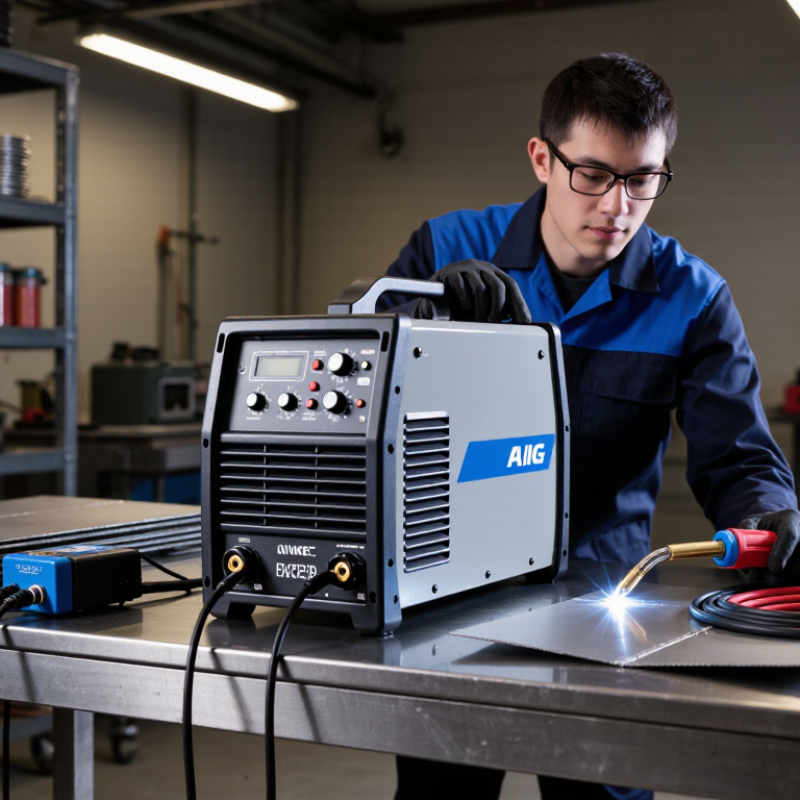
An IGBT inverter TIG welder converts incoming AC power into DC, then rapidly switches it at high frequency. Capacitors help smooth the electrical supply. The IGBT transistors control these fast switching cycles, allowing the machine to regulate welding current. A compact transformer adjusts the voltage, and output circuits deliver usable welding power. That is the basic conversion.
During TIG welding, current flows through a non-consumable tungsten electrode to create an arc. Shielding gas protects the hot weld area, while filler metal is added separately when needed. On AC models, the machine alternates electrode polarity, which helps clean aluminum oxide during welding. Pulse settings can switch between higher and lower current, useful for controlling heat on thin sheet. In practice, arc starts, controls, and AC balance vary between machines. Check the manual and duty-cycle rating before setting up a job. Small details matter. Even a stable inverter cannot compensate for dirty material, poor gas coverage, or an unsteady torch hand. Getting the settings right may take a few test beads.
What Is the Best IGBT Inverter TIG Welder in 2026?
An IGBT inverter TIG welder suits clean, controlled work on stainless steel and mild steel. It can handle thin sheet, small tubing, brackets, and careful repair jobs where a steady arc matters. For aluminum, choose an AC/DC model; a DC-only machine is not designed for typical aluminum TIG welding. That distinction is easy to miss. TIG is precise, but it is slower than many other processes on long seams or thick structural parts.
Tips: Check the machine’s AC/DC modes, amperage range, and duty cycle before buying. Match its input power to your workshop supply, and test the torch and pedal for comfortable control. Clean metal helps; contamination can spoil the weld.
For bicycle frames, thin enclosures, or visible stainless joints, low-start current and stable adjustment can make fine work easier. Thicker steel may need multiple passes, more preparation, and a machine with adequate output. I would not choose by inverter technology alone. IGBT design can make equipment compact and responsive, but torch quality, controls, cooling, and real-world duty cycle also shape results. A specification sheet rarely tells the whole story.
When comparing IGBT inverter TIG welders in 2026, check the usable amperage range, not just the maximum output. A low starting current helps with thin sheet metal, while enough headroom supports thicker work. Confirm the machine can run from the power supply available in your workshop; advertised output may depend on input voltage.
For aluminum, look for AC/DC capability and adjustable AC balance. For stainless steel, pulse settings can help manage heat and keep a small puddle steady. High-frequency starting avoids touching the tungsten to the workpiece. Useful controls should be clear enough to adjust while wearing gloves. Not flashy, but practical.
Check the rated duty cycle at the amperage you expect to use. A welder may need cooling breaks during long beads, even if its peak rating looks impressive. Test how the foot pedal responds, and see whether settings are easy to save and recall. A torch, ground clamp, and gas fittings should feel secure, not flimsy. One easy mistake is choosing by feature count alone; menus can slow down a simple repair. Compare the warranty terms and service access, too, since dependable support matters when a machine stops mid-project.
There is no single best TIG welder for every job. Compare these practical features against your materials, available power, and workload. Specifications vary by model; confirm ratings in the manufacturer’s technical documentation.
| Feature to Compare | What to Look For | Why It Matters | Priority |
|---|---|---|---|
| AC/DC capability | Choose AC/DC for TIG welding aluminum as well as steel and stainless steel. DC-only machines are generally suited to steel and stainless steel, not conventional TIG welding of aluminum. | TIG welding aluminum typically uses AC; steel and stainless steel are commonly TIG welded using DC. | Essential for aluminum |
| Input power | Check whether the machine supports the voltage available at your workspace. For dual-voltage models, compare the rated output at each input voltage—not just the maximum headline amperage. | Available input power affects achievable welding output. Installation requirements and circuit capacity should be checked before purchase. | Essential |
| Amperage range | Compare the usable minimum and maximum TIG current, and check output at the input voltage you will use. Match the range to your material thickness and planned work. | A low minimum current can help with thin material; sufficient maximum current may be needed for thicker work. Amperage alone does not establish weld quality. | Essential |
| Duty cycle | Compare the duty-cycle percentage at the same welding current and under the stated test conditions. A 10-minute duty-cycle rating describes the portion of that period the machine can weld at the specified output. | A higher duty cycle at your working amperage can reduce cooling breaks during sustained use. Ratings at different currents are not directly comparable. | High for production work |
| Arc starting | Look for high-frequency (HF) start for non-contact starting, or lift-arc start if contact starting is acceptable. Check which starting methods are available in TIG mode. | HF start initiates the arc without touching the tungsten to the workpiece; lift start uses contact to initiate the arc. | High |
| AC controls | For aluminum work, check whether AC balance and AC frequency are adjustable, and review the available settings and limits. | These controls let the operator adjust aspects of the AC welding cycle. Their practical value depends on the job and the machine’s actual control range. | High for aluminum |
| Pulse TIG | Check whether pulse is available and which parameters are adjustable, such as pulse frequency and balance between high and low current. | Pulsing alternates between higher and lower welding current. It can help manage heat input, but is not required for every TIG application. | Useful for thin or heat-sensitive work |
| Remote current control | Confirm compatibility with a foot pedal or other remote control, whether it is included, and how the machine adjusts current when connected. | A compatible pedal lets the operator adjust current while welding, which can be helpful when joint fit-up or heat needs change. | Useful for precision work |
| Controls and display | Check that key settings are easy to read and adjust, including pre-flow, post-flow, current, and—where available—pulse and AC settings. | Clear controls make setup and repeatable adjustments easier. Available functions differ between machines. | Medium to high |
| Included accessories and support | Review the included torch, work lead, gas equipment, consumables, pedal, warranty terms, and availability of technical support. | A low purchase price may not include every accessory needed for your setup. Warranty coverage and support terms should be checked in writing. | Important before purchase |
Quick guide: For aluminum and steel, prioritize AC/DC capability, suitable input power, and a useful duty-cycle rating. For steel-only work, a DC TIG machine may be sufficient. Always verify the exact specifications for the model and configuration being considered.
Choosing a TIG welder means looking beyond its maximum amperage. Safety features matter: check for thermal overload protection, a stable ground connection, and clear controls. Match the machine’s input voltage to your workshop supply. A mismatch can cause nuisance trips or unsafe workarounds. Use suitable eye protection, gloves, and ventilation, even when welding clean metal. Small details matter.
Reliability is harder to judge from a specification sheet. Compare the rated duty cycle at the amperage you actually use, not just the headline figure. Look for accessible cooling vents, sturdy connectors, and clear service documentation. If possible, test the arc on scrap metal; it should start consistently and remain steady as you move the torch. Ask how replacement parts and repairs are handled. A low purchase price can be misleading.
What Is the Best IGBT Inverter TIG Welder in 2026?
Choosing the right welder starts with the jobs you actually do. For stainless-steel repairs, a DC TIG machine may cover your needs. Aluminum work generally calls for AC/DC output. Check the thickest material you expect to weld, not just the thin coupons used for practice. A machine that handles 1 mm sheet smoothly may struggle on a heavy joint. That matters. Consider input power, too: a high-output welder may need a dedicated circuit, while a compact unit can be easier to move between a garage and a worksite.
Look beyond the maximum amperage. Compare the duty cycle at the current you will use, and check whether the machine has adjustable start current, pulse settings, and a foot pedal option. These controls can help manage heat on thin metal, though extra settings are not automatically useful. Check the label. Confirm what is included, such as a torch, gas regulator, and work clamp, since missing parts add cost. Also consider weight, cable length, and how clearly the controls are marked. It is easy to overvalue a long feature list; a confusing interface can slow down setup. No single machine fits every shop, and your first estimate of needed power may be wrong. Recheck it against your materials and available outlet before buying.
Compare its usable amperage range, input voltage, duty cycle, controls, and included accessories. Maximum output alone can be misleading.
Aluminum generally needs AC/DC capability and adjustable AC balance. DC TIG may suit many stainless-steel repairs.
It can help control heat on thin sheet metal. A puddle that spreads too quickly can spoil a small repair.
They can help manage heat and adjust current during welding. Still, extra controls are not always needed.
Match its input voltage and expected output to your available circuit. A mismatch may cause nuisance trips or unsafe workarounds.
Check the rated duty cycle at the amperage you expect to use. Long beads may require cooling breaks.
Check the torch, ground clamp, gas fittings, cable length, and included regulator. Loose connectors can disrupt setup.
If possible, test the arc on scrap metal. Look for steady starts, accessible cooling vents, clear service documents, and repair support.
Include shielding gas, tungsten electrodes, filler rods, ceramic cups, and electricity. A simple cost log helps, though it may miss occasional repairs.
Start with your usual materials and jobs, then check power needs and controls. Recheck your estimate; it may be wrong.
Choosing the best IGBT Inverter TIG Welder in 2026 starts with understanding how inverter technology converts and controls electrical power to provide a stable, adjustable welding arc. These machines can be suited to a range of materials and tasks, from precise work on thin sections to general repairs and fabrication, depending on the welder’s capabilities and the operator’s skill.
When comparing models, consider output range, duty cycle, supported welding processes, control options, portability, and compatibility with your power supply. Also assess safety features, build quality, maintenance needs, and long-term operating costs rather than focusing on purchase price alone. The right choice depends on the materials you work with, the frequency and location of use, your experience, and your budget. Matching those needs to a machine’s performance and practical features can help you choose a reliable welder for your projects.