Explore our heavy industrial rotators, automated circumferential seam welders, and precision pipe processing machinery configured for high deposition rates and zero-defect quality control.
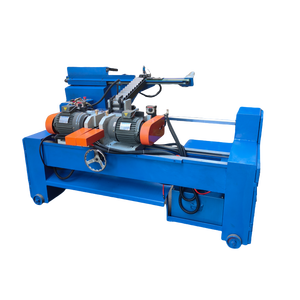
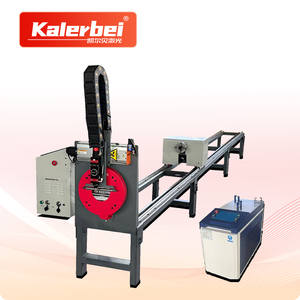
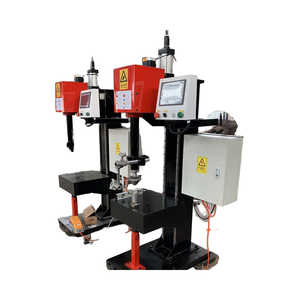
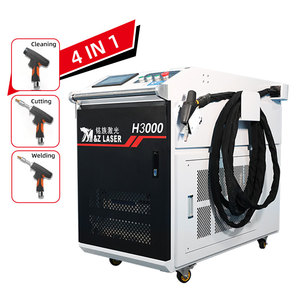
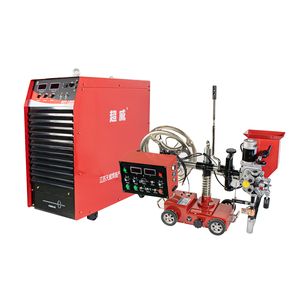
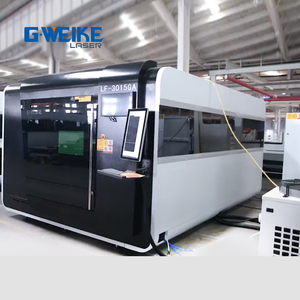
In modern industrial fabrication, circumferential seam welding on cylindrical workpieces—ranging from small-diameter process piping to massive pressure vessels, boiler drums, and wind turbine monopiles—requires absolute rotational consistency. Pipe welding rotators (also known as turning rolls) serve as the fundamental mechanical backbone for automated Submerged Arc Welding (SAW), Gas Metal Arc Welding (GMAW/MIG), and Gas Tungsten Arc Welding (GTAW/TIG) systems.
India has rapidly emerged as a globally preferred manufacturing and export hub for high-capacity pipe welding rotators and positioning machinery. Driven by advanced in-house mechanical engineering, ISO 9001:2015 quality frameworks, and seamless integration with variable frequency drives (VFD), Indian manufacturers provide heavy industrial fabricators with international-grade reliability at optimized total cost of ownership (TCO).
Achieving defect-free, X-ray clear welds on rotating vessels requires matching mechanical drive dynamics with arc physics. Linear rotational speed stability must remain within ±1% under full load to prevent heat input variations that trigger burn-through, lack of fusion, or irregular bead profile geometry.
When selecting a turning roll system, mechanical engineers must assess dynamic loading capacity, vessel diameter flexibility, anti-creep mechanisms, roller wheel surface metallurgy (heavy-duty polyurethane vs. forged steel), and electronic synchronization with automated column & boom manipulators.
Manual center-distance adjustment via lead-screw or bolt slots for fixed-batch production runs.
4-roller four-wheel arrangement per frame automatically adjusts to varying shell diameters.
Hydraulic/motorized axial tracking system preventing longitudinal vessel drift during welding.
From the massive petroleum refiners in Gujarat to cross-country gas pipelines and offshore shipyards, Indian pipe welding rotators deliver round-the-clock heavy fabrication resilience.
High-yield alloy steel pipes (API 5L X70/X80) require precise linear turning speeds during root-pass GTAW and multi-pass Submerged Arc filling. Indian rotators configured with digital VFD encoders ensure zero velocity fluctuation during multi-layer seam deposition.
Thick-walled utility boiler pressure vessels (exceeding 80mm wall thickness) require high load capacity rotators fitted with forged steel rollers or heavy-duty polyurethane composite wheels capable of withstanding pre-heat temperatures up to 250°C continuous duty.
Fabrication of wind turbine tubular tower segments involves large-diameter section fit-up. Growing line rotator systems enable hydraulic alignment, levelling, and axial alignment of shell sections before automatic circumferential seam SAW welding.
Portable, ruggedized pipe turning rolls equipped with quick-setup frames are deployed extensively along pipeline rights-of-way (ROW), powered by diesel generator sets to facilitate double-jointing of spiral welded steel pipes.
Driven by the "Make in India" initiative and global Industry 4.0 standards, Indian automation equipment manufacturers are shifting from simple turning mechanics to intelligent, sensor-driven welding cells.
| Feature Parameter | Legacy Turning Rolls (Pre-2015) | Modern Indian Smart Rotators (2026+) | Fabricator Impact & Information Gain |
|---|---|---|---|
| Drive Control | Analog DC / Friction Mechanical Drive | Digital AC VFD with Vector Encoder Feedback | Zero speed ripple; perfectly consistent weld bead height across long hours. |
| Synchronization | Standalone Manual Speed Knobs | PLC Interlocked with Weld Power Source & Boom | Rotator automatically pauses/adjusts speed based on arc voltage and wire feed. |
| Axial Creep Management | Manual Mechanical Stop Rings | Closed-Loop Active Hydraulic Anti-Creep | Prevents vessel spiral drift, essential for narrow gap submerged arc welding. |
| Data Traceability | None (Paper Logs) | IoT WeldVisor Telemetry Integration | Real-time tracking of rotation speed, arc-on time, heat input, and motor thermal status. |
| Wheel Metallurgy | Standard Rubber / Low Grade PU | Heavy-Duty High-Temp Polyurethane (95 Shore A) | Eliminates de-lamination during pre-heated vessel turning; resists high weight crushing. |
Technical, commercial, and operational queries answered by senior welding automation application engineers.
Always size the rotator set based on the combined weight of the vessel, internal fixtures, and dynamic impact loading. A standard rotator system consists of One Drive Unit (Power) and One Idler Unit. If a vessel weighs 20 Tons, a 20-Ton rotator set (10T drive + 10T idler) is required. However, for eccentric loads or vessels with irregular cut-outs, apply a 25% to 30% safety margin to prevent motor torque overload or wheel crushing.
Heavy-duty Polyurethane rollers provide excellent traction, preventing vessel slipping during rotation while protecting stainless steel or non-ferrous pipes from carbon contamination and mechanical surface scarring. Forged steel rollers are reserved for extreme heavy-wall carbon steel shells (typically 40 Tons and above) or applications where continuous pre-heating temperatures exceed 200°C.
Axial drift (creep) occurs due to minor taper in the shell plate thickness, misalignment of drive/idler beds, or non-parallel placement of the rotator frames. In precision circumferential seam welding, even a 2mm axial movement can cause the welding torch to wander off the joint bevel. Utilizing self-aligning rotators or an Active Hydraulic Anti-Creep System maintains axial alignment within ±0.5mm.
Yes. Modern Indian rotators are designed with open control interfaces (digital I/O, Modbus, Ethernet/IP, dry contacts). They seamlessly integrate with global welding power source brands (including Lincoln, Miller, ESAB, Fronius, and APS Inverter sources) to sync start/stop signals, rotation speed, and emergency shutdown interlocks.
Standard Indian rotators operate on 415V, 3-Phase, 50Hz AC power. For international export markets (Americas, Middle East, Europe), systems can be custom-built with transformers and control panels rated for 220V/380V/460V at 60Hz, conforming to CE safety directives and IEC 60204-1 electrical standard compliance.
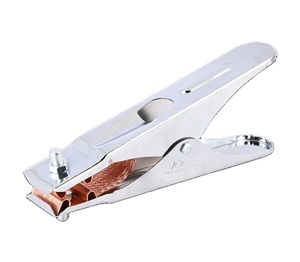
Key maintenance steps include inspecting the drive gearbox oil level every 1,000 hours, checking PU wheel surfaces for embedded metallic grinding debris, verifying drive card cooling fans, and lubricating the lead-screw adjustment channels quarterly. Ensuring proper earthing directly to the workpiece (via rotary grounding clamps) prevents welding current from arcing through the rotator bearings.
Built upon decades of in-house power electronics and heavy machinery manufacturing in Valsad, Gujarat, India.
We engineer every component under one roof—from heavy structural steel frame machining and gear assembly to the electronic VFD drive circuitry and firmware controls.
Every single rotator set undergoes 100% full-load spin testing, thermal rise evaluation on drive electronics, and torque verification before export dispatch.
Pair your pipe rotators with our Column & Boom Manipulators, Inverter SAW Power Sources, Pipe Profile Cutters, and WeldVisor IoT monitoring for single-vendor accountability.
Contact our application engineering team in India today for technical recommendations, CAD integration layout support, and competitive export quotations tailored to your exact vessel payload specifications.