Direct-factory resistance welding power sources, automated submerged arc machinery, modular 3D fixturing tables, and high-efficiency laser processing equipment engineered to meet stringent European DIN EN ISO standard requirements.
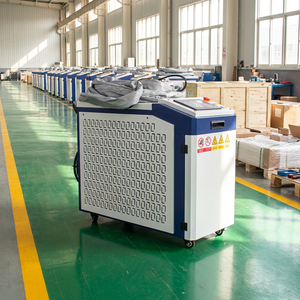
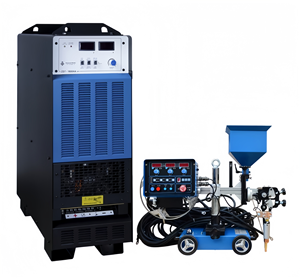
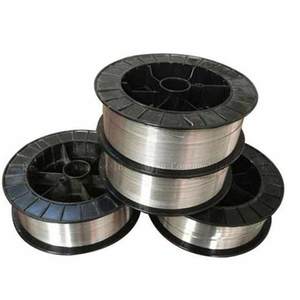
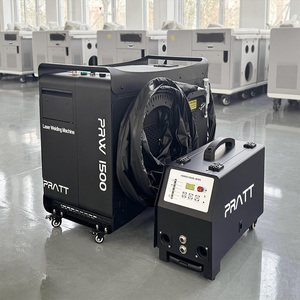
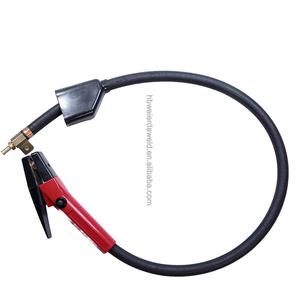
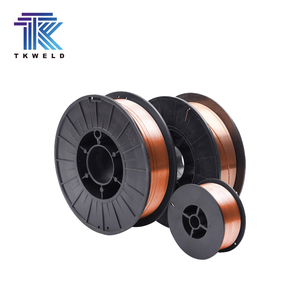
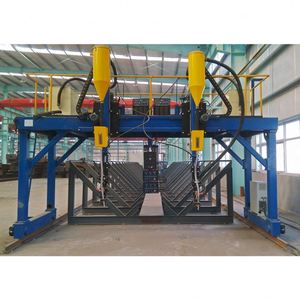
As Northern Germany’s premier industrial power and logistics gateway, the Hamburg metropolitan region—spanning major manufacturing districts from Harburg, Wilhelmsburg, and Bergedorf to Finkenwerder—demands world-class metal joining technology. Modern industrial fabricators across Hamburg operate within highly demanding sectors including commercial shipbuilding, maritime container repair, e-mobility battery assembly, structural steel fabrication, and precision aerospace engineering (centered around the Airbus Finkenwerder cluster).
Resistance Spot Welding (RSW), Medium-Frequency Direct Current (MFDC) projection welding, and automated fiber-laser joining systems form the backbone of these high-throughput production lines. Operating in Germany's stringent regulatory landscape requires welding equipment suppliers to offer unmatched arc control, precise heat input modulation, energy efficiency complying with EU Green Deal mandates, and full CE/DIN EN ISO technical alignment.
Evaluating spot welding machine suppliers for the Hamburg industrial landscape involves analyzing subtle metallurgical challenges unique to modern alloys, high-strength steels, aluminum structures, and multi-material sheets. Resistance spot welding relies on Joule heating ($Q = I^2 \cdot R \cdot t$), where thermal energy generated at the sheet interface melts localized base material to create a high-integrity weld nugget under mechanical electrode force.
Standard 50Hz AC spot welders suffer from thermal fluctuations and zero-crossing dead times every 10 milliseconds. Advanced 1000Hz Medium-Frequency Direct Current (MFDC) power sources convert incoming 3-phase AC into steady DC output. This delivers constant thermal energy, eliminating spatter, reducing mains power draw by up to 45%, and extending electrode copper tip longevity by 300% when joining zinc-coated structural steels.
Automotive suppliers and chassis fabricators in Hamburg frequently work with Advanced High-Strength Steels (AHSS) such as DP600, DP800, and TRIP steels. Galvanized zinc layers act as a thermal sink and lower electrical resistance. MFDC resistance systems utilize dynamic adaptive current regulation (Constant Current Control - CCC) to blast through zinc coatings without liquid metal embrittlement (LME) or electrode degradation.
Aluminum alloys (such as 5000, 6000, and 7000 series used in maritime superstructures and aerospace sub-assemblies) present exceptionally high electrical and thermal conductivity. Spot welding aluminum demands ultra-high welding currents (up to 40kA-60kA) delivered over brief millisecond intervals, synchronized with high-speed servo pneumatic actuator force profiles to prevent cracking and expulsion.
Modern German industrial quality protocols under DIN EN ISO 14555 and ISO 5821 demand complete process repeatability and digital traceability. APS Welding equips its heavy-duty power sources and spot welding setups with proprietary **WeldVisor IoT architecture**.
WeldVisor continuously logs critical welding parameters in real time: secondary current amplitude (kA), electrode compression force (daN), dynamic dynamic voltage drop across sheets, dynamic resistance curve, and pulse duration (ms). Manufacturing plants across Hamburg Port and Harburg industrial zones can monitor machine duty cycles, detect tip wear before weld failures occur, and export audit-ready quality reports directly to factory MES/ERP networks.
A comprehensive engineering benchmark for Hamburg plant engineers and procurement managers selecting optimal joining equipment for sheet metal, structural framing, and high-volume component manufacturing.
| Technical Feature / Parameter | MFDC Inverter Spot Welder | Pneumatic AC Spot Welder | Handheld Fiber Laser Welder | Submerged Arc Welder (SAW) |
|---|---|---|---|---|
| Primary Application | Sheet metal overlap, automotive BIW, battery tabs, wire mesh | General sheet metal repair, low-volume steel fabrication | Precision butt/lap joints, thin stainless, aesthetic seams | Heavy steel plate, longitudinal & circumferential vessel seams |
| Energy Input Efficiency | High (90-95% power factor, steady 1kHz DC) | Moderate (60-70% power factor, high mains peak load) | Very High (Localized energy, minimal thermal footprint) | High (Deep penetration, heavy wire deposition) |
| Welding Cycle Time | Ultra-Fast (10ms – 300ms per spot) | Fast (100ms – 1000ms per spot) | Continuous seam (1-10 meters/min) | Continuous heavy deposition (300-800mm/min) |
| Heat Affected Zone (HAZ) | Extremely Microscopic & Localized | Moderate to Wide (Risk of thermal distortion) | Ultra-Narrow (Zero sheet warping) | Wide (Deep metallurgical penetration) |
| Consumable Costs | Low (Copper alloy electrode tips: CuCrZr / CuCoNiBe) | Low (Standard AC copper tips) | Low-Medium (Protective lenses, wire feeder optional) | Medium (Saw wire, submerged granular flux) |
| Industry 4.0 IoT Support | Full Integration via WeldVisor (Current, Force, Resistance) | Basic Relay / Timer control | Digital Touchscreen / CNC Integration | PLC Automated Carriage & Weld-O-Meter tracking |
| Compliance Standard | DIN EN ISO 5821, CE Low Voltage Directive 2014/35/EU | Basic CE Standard | Class 4 Laser Safety, CE EMC Directive 2014/30/EU | ISO 9001:2015, IEC 60974-1 Duty Cycle Certified |
With Northern Germany expanding its clean-tech and EV manufacturing ecosystem, spot welding equipment plays an essential role in joining battery module busbars, nickel-plated copper tabs, and aluminum casing enclosures. High-frequency MFDC micro-spot welders deliver millisecond pulse control to ensure zero thermal damage to sensitive battery cells while guaranteeing ultra-low electrical contact resistance.
Shipping container refurbishers, freight wagon repair shops, and maritime fabricators in Altenwerder and Steinwerder require heavy-duty spot welding guns, portable projection welders, and carbon arc gouging equipment (such as the VERDA K4000) for structural sheet repair, stiffener spot welding, and corrosion-resistant stainless cladding.
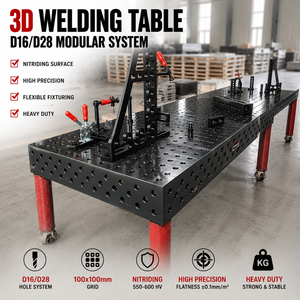
Precision engineering shops across Bergedorf rely on 3D Modular Welding Workbench Systems (D28 Nitrided Fixture Tables) paired with automatic H-beam welding stations and MIG/MAG power sources. Maintaining dimensional tolerance down to ±0.05mm during high-volume spot welding and seam joining prevents costly distortion rework.
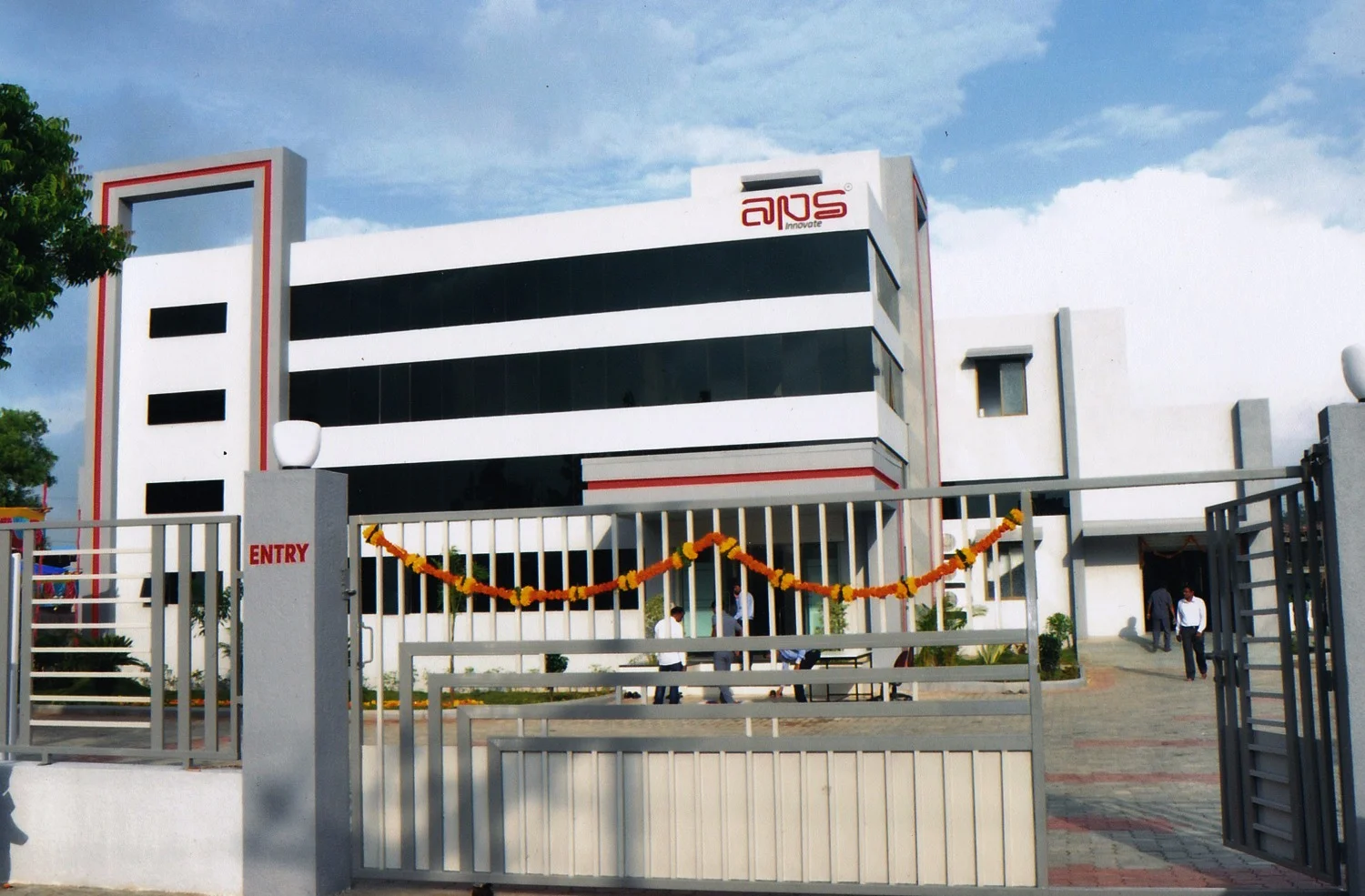
APS Welding (Advanced Power Sources Limited) is an ISO 9001:2015 certified manufacturer and global exporter specializing in high-performance IGBT inverter power sources, resistance spot welding machinery, submerged arc automation, and CNC cutting systems. With over 20 years of dedicated in-house research, development, and heavy manufacturing in Gujarat, India, APS has installed over 22,600 machines across challenging industrial sectors worldwide.
By eliminating middleman trading markups, European importers and Hamburg industrial buyers deal directly with the engineering team that designs the circuit boards, formulates control algorithms, and builds the mechanical frames. Every exported machine undergoes rigorous 100% full-load thermal duty cycle testing to IEC 60974-1 specifications before container shipping.

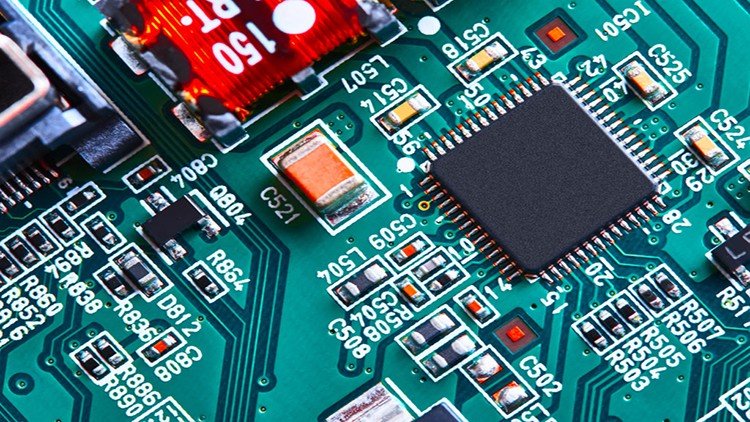
Proprietary IGBT inverter driver boards, digital pulse controllers, and power transformers designed completely under one roof for quick spare part availability.
Factory-configured for German industrial power mains (400V 3-phase, 50Hz) with wide ±15% input voltage tolerance for seamless generator or site operation.
Direct seaport export handling to Hamburg Port (CTA/CTB terminals), complete with CE documentation, schematic diagrams, and English/German technical manuals.
Addressing critical technical, compliance, voltage, and logistical considerations for purchasing spot welding machines and industrial welding power sources for use in Northern Germany.
Standard industrial plants in Hamburg and Northern Germany operate on a 3-phase 400V AC grid at 50 Hz. APS spot welders and MFDC inverter power sources are custom-built to support 400V ±15% grid fluctuations. For heavy projection spot welders (over 100 kVA), we recommend verifying your local facility supply transformer capacity and implementing soft-start MFDC inverters to minimize peak electrical load spikes.
All exported APS machines carry full CE certification, adhering to the EU Low Voltage Directive (2014/35/EU) and Electromagnetic Compatibility (EMC Directive 2014/30/EU). Equipment designs conform to ISO 5821 for electrode taper dimensions and DIN EN ISO 14555 process requirements, ensuring smooth integration into ISO 9001 and IATF 16949 certified manufacturing facilities.
MFDC operating at 1,000 Hz converts 3-phase AC to smooth DC current. This eliminates thermal pauses occurring during 50Hz AC zero-crossings, resulting in a 30-45% reduction in electrical power consumption, significantly reduced spark spatter, faster weld times (down to milliseconds), and a dramatic increase in copper electrode tip life when welding galvanized sheet metals.
We provide full CIF / FOB / DDP export shipping services directly to Hamburg Port (Container Terminal Altenwerder / Burchardkai). Machinery is packed inside heavy-duty, sea-worthy, ISPM-15 compliant fumigated wooden crates with moisture-absorbent barrier foil protection. All customs documentation, bill of lading (B/L), CE certificates, and HS code classifications are supplied for seamless clearance.
Yes. In addition to standalone pedestal spot welders and laser machines, APS provides modular D28 3D Nitrided Workbench systems, pneumatic C-type and X-type spot welding guns, and fully integrated welding rotators/positioners to automate high-precision production lines.
WeldVisor IoT connects directly to machine digital controllers, continuously streaming parameters such as actual current (kA), voltage drop, cycle duration, and squeeze force. The data is logged locally or cloud-synced, allowing quality control engineers to extract complete audit trails for every single weld spot, ensuring compliance with automotive and aerospace traceability regulations.
Engineers and procurement specialists in Hamburg can consult directly with our application team. Send us your workpiece material thickness, joint drawing, output target, and electrical site parameters for a customized machinery recommendation.
Send an Inquiry