High-efficiency machinery tailored for sheet metal, pipe processing, vessel manufacturing, and industrial fabrication in the Indonesian market.
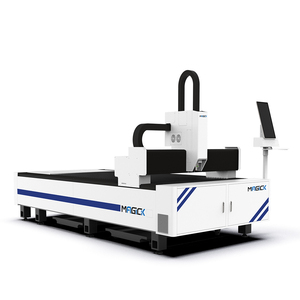
The industrial landscape across the Greater Jakarta region—spanning key manufacturing hubs such as Cikarang, Karawang, Bekasi, Tangerang, and Pulo Gadung—is undergoing a rapid technological migration toward ultra-high-efficiency solid-state fiber laser cutting systems. As Indonesia accelerates its "Making Indonesia 4.0" initiative, traditional metal processing methods (such as oxy-fuel cutting, plasma arc cutting, and mechanical punching) are increasingly giving way to CNC fiber laser systems ranging from 1.5 kW up to 40 kW ultra-high power configurations.
For metal fabricators, automotive OEM tier-suppliers, structural steel engineers, and pressure vessel manufacturers serving Java’s booming infrastructure projects, fiber laser technology presents a fundamental shift in operational economics. Fiber lasers operate at an optical wavelength of approximately 1.064 µm—roughly one-tenth that of legacy CO2 lasers—enabling significantly higher absorption rates in reflective non-ferrous metals like aluminum, brass, and copper, while achieving cutting speeds up to 300% faster on thin to medium gauge carbon steel and stainless steel plates.
Furthermore, manufacturing in tropical coastal environments such as North Jakarta and Tanjung Priok requires heavy-duty climate conditioning, sealed optical enclosures, and industrial-grade thermal stabilization. High ambient humidity (>80%) and summer workshop temperatures exceeding 35°C can cause optical lens fogging or dielectric degradation in under-engineered machinery. As a direct exporter and OEM machine builder with over two decades of power control engineering, our fiber laser cutting solutions are built specifically to thrive under demanding tropical grid and climate conditions.
Selecting the appropriate laser power source (Raycus, MAX, or IPG optical engine) depends directly on material thickness thresholds, cut-edge roughness requirements (Ra), and assist gas dynamics (Compressed Air vs High-Pressure N2 vs O2). Below is a comprehensive engineering guide for structural steel and alloy processing in Jakarta workshop environments:
| Laser Power Output | Max Carbon Steel (O2) | Max Stainless Steel (N2) | Max Aluminum Alloy | Cutting Speed (2mm CS) | Power Consumption (380V/50Hz) |
|---|---|---|---|---|---|
| 1,500W (1.5 kW) | 16 mm | 6 mm | 5 mm | 18 - 22 m/min | ≤ 12 kW |
| 3,000W (3.0 kW) | 20 mm | 10 mm | 8 mm | 35 - 42 m/min | ≤ 18 kW |
| 6,000W (6.0 kW) | 25 mm | 16 mm | 14 mm | 55 - 65 m/min | ≤ 30 kW |
| 12,000W (12 kW) | 40 mm | 35 mm | 30 mm | 80 - 95 m/min | ≤ 52 kW |
| 20,000W+ (20 kW+) | 60 mm+ | 50 mm+ | 45 mm+ | 110+ m/min | ≤ 85 kW |
*Note: All values reflect optimal operating conditions with stable 380V 3-Phase 50Hz power supply, dual-servo rack-and-pinion drive systems, and calibrated auto-focus cutting head optical lenses (Precitec / Raytools).
Targeted manufacturing solutions engineered for key industrial zones in West Java and Jakarta Province.
High-speed precision cutting of automotive chassis brackets, body panels, exhaust flanges, and internal structural components with zero dross and sub-0.03mm positioning accuracy for OEM assembly lines.
Rapid nesting and clean air-assisted cutting of galvanized sheet steel, stainless steel architectural cladding, and ducting work for commercial skyscraper expansion projects in South & Central Jakarta.
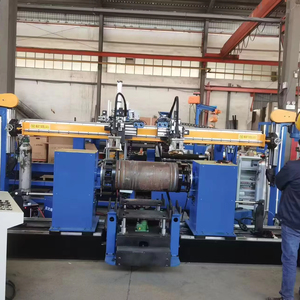
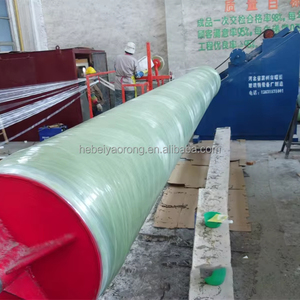
Integration with circumferential welding and automated beveling systems for heavy wall steel tank fabrication, pressure vessels, and GRP/FRP chemical container supports used in process industries.
Heavy plate profiling (up to 40mm carbon steel) for hull repair, deck reinforcement, and marine structural steelwork, replacing slow carbon arc gouging and manual torch cutting.
Tight-tolerance punching/cutting replacement for switchgear cabinets, control box housings, and elevator interior stainless panels using high-speed dual-exchange table machines.
Automated tube, profile, and sheet processing lines certified to ISO standards, serving international buyers across South East Asia, Australia, and the Middle East.
Evaluating capital expenditure (CAPEX) against long-term operational expenditure (OPEX) is crucial for Indonesian metal processors. The table below illustrates why modern fiber lasers outperform legacy CO2, High-Definition Plasma, and Waterjet equipment:
| Evaluation Parameter | Fiber Laser (Solid State) | HD Plasma Cutting | CO2 Laser (Gas Resonator) | Waterjet Cutting |
|---|---|---|---|---|
| Wall-Plug Efficiency | 35% - 45% | 15% - 20% | 8% - 10% | 5% - 8% |
| Cutting Speed (6mm Steel) | Very High (>5.5 m/min) | High (3.0 m/min) | Moderate (2.2 m/min) | Slow (<0.4 m/min) |
| Heat Affected Zone (HAZ) | Extremely Narrow | Wide / Thermal Distortion | Moderate | Zero Thermal Effect |
| Laser Gas Requirement | None (Solid State Diode) | Plasma Arc Gases | He/CO2/N2 Gas Mix | None (Abrasive Garnet) |
| Maintenance & Consumables | Lowest (No Mirrors/Turbines) | High (Nozzles/Electrodes) | Very High (Optical Alignment) | High (High-Pressure Seals) |
As a premier designer, manufacturer, and exporter of advanced industrial power sources, IGBT inverter control electronics, CNC laser cutters, and welding automation lines, our company brings over 20 years of direct manufacturing experience and over 22,600 successful equipment installations worldwide.
Unlike trading companies or local re-sellers who simply white-label third-party machines, we maintain complete in-house design, structural fabrication, circuit board assembly, firmware development, and final high-load testing at our state-of-the-art manufacturing facility.
Importing industrial fiber laser machinery into Indonesia requires careful pre-shipment alignment to ensure smooth customs clearance (Bea Cukai) and rapid on-site commissioning:
Confirm 380V (±10%), 3-Phase, 50Hz factory voltage. For regions prone to industrial grid sags, an inline automatic voltage stabilizer (AVR) is recommended.
Install dual-circuit water chillers capable of maintaining 22°C-25°C for the optics and laser source inside non-condensing, air-conditioned optical cabinets.
Leverage ASEAN-China Free Trade Agreement (Form E) Certificate of Origin to secure 0% or substantially reduced import duty rates under Indonesian customs codes (HS Code 8456.11).
Arrange dedicated High-Pressure Nitrogen (up to 25 bar) for stainless steel mirror cutting or high-pressure screw air compressors (16-30 bar with 5-stage oil-water filters).
Answers to common technical, logistics, and operational questions from local Indonesian buyers.
Talk directly with our application engineers to evaluate cutting specs, request ROI calculations, or receive a fast, customized quotation delivered for the Jakarta & West Java market.
Contact Us