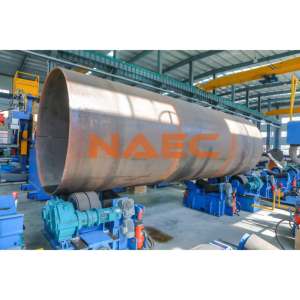

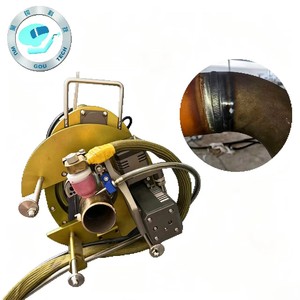
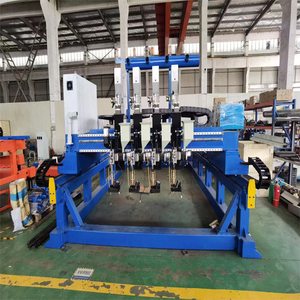
Explore our top-tier precision orbital welders, specialized seam tracking equipment, fixture tables, and heavy-duty plasma consumables built to rigorous IEC 60974-1 standards.
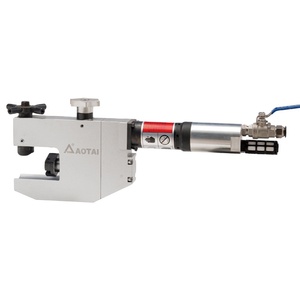
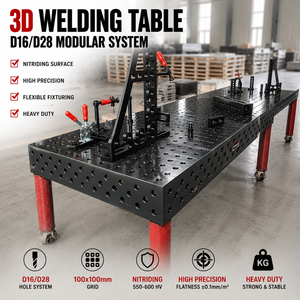
In modern heavy manufacturing—ranging from pressure vessel fabrication and automated shipbuilding to high-precision aerospace pipe joinery—the performance of a welding power source is fundamentally limited by the quality of its torch consumables. Contact tips, gas nozzles, diffusers, collets, and tungsten electrodes serve as the critical interface where electrical energy, mechanical wire feed, and shielding gas laminar dynamics converge.
Choosing top trusted welding torch consumables factories and suppliers requires evaluating material metallurgy, CNC machining tolerances, thermal dissipation coefficients, and anti-spatter surface treatments. Inferior consumables result in micro-fretting wear, erratic arc ignition, premature burnback, and excessive downtime caused by thermal expansion lock-up.
Information Gain Key Metric: Upgrading MIG contact tips from standard Electrolytic Tough Pitch Copper (E-Cu) to Chromium Zirconium Copper (CuCrZr) or Silver-Plated Zirconium Alloys extends tip service life by 300% to 500% under high-duty-cycle automated pulse welding conditions.
The MIG contact tip is subjected to extreme thermal stress, mechanical sliding friction from moving filler wire, and electrical erosion caused by micro-arcing inside the bore. Qualified B2B suppliers utilize three primary alloy grades:
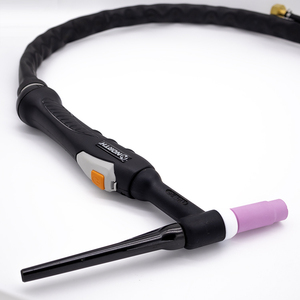
In Gas Tungsten Arc Welding (GTAW), achieving a true laminar flow of shielding gas is essential for preventing weld pool oxidation on reactive metals like Stainless Steel 316L, Titanium Grade 2, and Inconel 625. Standard TIG collet bodies produce turbulent gas streams, whereas high-grade Gas Lenses utilize multi-layer sintered stainless steel mesh screens to align the gas stream into a tight, uniform column.
Furthermore, tungsten electrode selection plays a vital role in arc stability. While legacy Thoriated electrodes (WT20) are being phased out globally due to low-level radioactivity concerns, modern lanthanated (WL15/WL20) and ceriated (WC20) tungsten electrodes provide superior tip retention, easy high-frequency ignition, and extended operating lifespans across both AC and DC TIG configurations.
| Consumable Material Grade | Hardness (HB) | Softening Temp (°C) | Electrical Conductivity | Recommended Process Application | Tier Level |
|---|---|---|---|---|---|
| E-Cu (Pure Copper) | 85 - 95 HB | 200 °C | 98% IACS | Short-circuit MIG, Light Manual Repair | Standard |
| CuCrZr (Chromium Zirconium) | 160 - 185 HB | 500 °C | 82% IACS | Spray Arc MIG, Heavy Structural Steel, SAW | Industrial OEM |
| CuCrZr-Ag (Silver Coated) | 190 - 210 HB | 650 °C | 88% IACS | Robotic High-Amperage Pulse MIG, Heavy Fabrication | Robotic Grade |
| Beryllium Copper (CuBe2) | 220 - 250 HB | 600 °C | 60% IACS | Specialized Resistance Welding & Spot Tips | Specialist |
As smart manufacturing, Industry 4.0 IoT monitoring, and additive engineering transform metal fabrication, procurement teams must realign their vendor selection criteria to future-proof their supply chains.
Factories are adopting 3D metal printed copper contact tips and plasma shield caps featuring internal conformal fluid channels. This technology reduces tip surface temperature by over 120°C compared to conventional straight-drilled cooling jackets, dramatically extending life in continuous hardfacing and heavy plate submerged arc welding.
Next-generation robotic welding torches now incorporate RFID micro-chips and thermal micro-sensors directly within the diffuser and contact tip base. Systems like WeldVisor IoT track arc-on hours, electrical micro-resistance spikes, and gas blockage, signaling operators to replace tips before burnback wrecks expensive torch necks.
Global procurement directors are shifting away from unverified trading companies in favor of direct ISO 9001:2015 certified manufacturers with in-house CNC Swiss automatic lathe machining capability. Buying directly from source factories eliminates middleman markups while ensuring strict batch-to-batch chemical composition traceability.
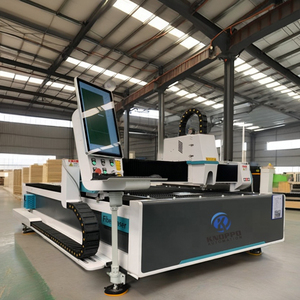
Driven by the rapid growth of high-speed fiber laser cutting, high-current tandem MIG welding, and automated orbital TIG pipe joining, consumable manufacturers are re-engineering traditional product geometries.
Industrial MIG torches are transitioning from standard M6 thread contact tips to heavy-duty M8 and M10 threaded configurations. The enlarged thread cross-section increases thermal conductive surface area by over 45%, allowing heat to dissipate rapidly into the torch swan neck water-cooling jacket, keeping tip working temperatures below the metal annealing threshold.
For sanitary stainless steel tubing, pharmaceutical vessel welding, and aerospace titanium joints, clear Pyrex/Quartz gas nozzles have emerged as an industry game-changer. These transparent shields offer full 360-degree puddle visibility for manual welders while optimizing argon gas laminar envelope shielding over delicate hot weld roots.
Built on over two decades of in-house R&D, power source engineering, and precision tooling, our manufacturing facility delivers end-to-end reliability for heavy industrial welding operations.
From raw copper alloy bar stock machining to proprietary IGBT inverter control board design, we maintain total quality control across our Valsad, Gujarat manufacturing plant.
Every power source and consumable series undergoes strict load bank testing at 40°C ambient temperatures to guarantee 100% duty cycle rating compliance before export dispatch.
Our products power critical operations across shipbuilding blocks, pressure vessel shell fabrication, cross-country oil & gas pipelines, and thermal power generation plant construction.
We provide overseas buyers with dedicated application engineering, customized private labeling, direct spare parts availability, and rapid global export logistics.
Get authoritative, expert answers to key technical questions surrounding welding consumable selection, lifespan optimization, and factory sourcing standards.
Premature failure is usually caused by excessive thermal softening of the copper tip, leading to wire erosion, micro-arcing inside the bore, and ultimate burnback. This can be mitigated by upgrading from pure E-Cu tips to Chromium Zirconium Copper (CuCrZr) alloy tips, ensuring proper contact tip-to-work distance (CTWD), and switching to M8 heavy-duty thread bodies to improve heat dissipation.
Legitimate factories possess ISO 9001:2015 certified quality systems, maintain raw material mill test certificates (MTC), operate multi-axis CNC Swiss automatic lathes, and provide full batch composition traceability. Requesting an audit of in-house inspection equipment—such as CMM measuring machines, Optical Spectrum Analyzers, and Eddy Current testers—will quickly separate true manufacturers from trading intermediaries.
Stainless steel and nickel alloys oxidize rapidly at high temperatures if shielding gas coverage is turbulent. A TIG gas lens uses fine mesh screens to turn turbulent argon flow into a stable, non-mixing laminar gas column. This permits longer tungsten extension for deep joint access while maintaining 100% oxide-free, bright silver or golden weld bead finishes without post-weld pickling.
Yes. Our in-house tooling facility and precision CNC turning equipment allow us to produce custom contact tips, specialized plasma cutting shield caps, robotic torch necks, and heavy-duty gas diffusers tailored exactly to your proprietary dimensions, alloy specifications, and tolerance requirements (up to ±0.01 mm).
Every export order includes complete compliance documentation: ISO 9001 Quality Inspection Certificates, Material Test Reports (EN 10204 3.1 MTC), Certificate of Origin (COO), Packing Lists, Commercial Invoices, and customized HS Code classifications to streamline customs clearance.