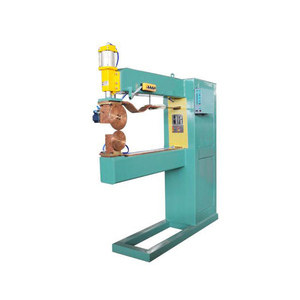

Explore top-tier heavy-duty machinery engineered for precision profile cutting, heavy plate beveling, seam tracking, and automated metal fabrication.
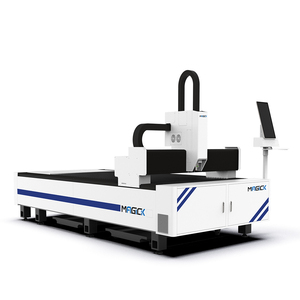
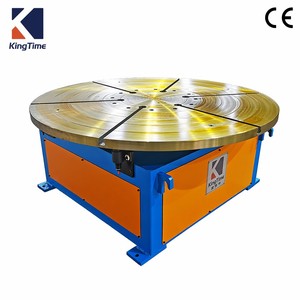
In modern industrial fabrication, metal processing demands an optimal balance between thermal precision, operational economy, and structural integrity. While high-power fiber laser cutting machines have captured significant market share for thin-to-medium sheet metals (up to 25mm), Computer Numerical Control (CNC) Flame Cutting (Oxy-Fuel Cutting) remains the unmatched global benchmark for thick carbon steel plate sectioning, heavy structural steel profiling, pressure vessel head prep, and shipbuilding block manufacturing.
Oxy-fuel flame cutting relies on an exothermic chemical reaction between high-purity oxygen and a preheated base metal (carbon steel) raised to its ignition temperature (approx. 870°C to 900°C). Because the cutting energy is primarily chemical rather than purely thermal or optical, CNC flame cutters can sever plates exceeding 50mm, 100mm, and even 300mm in thickness with exceptional squareness, minimal kerf taper, and drastically lower capital expenditure per millimeter of thickness compared to plasma or laser systems.
Information Gain Insight: According to thermal cutting performance data, when sectioning carbon steel above 40mm, CNC flame cutters consume up to 75% less electrical power than high-kilowatt plasma (e.g., 400A) or 20kW+ fiber laser cutters, while providing straight vertical cuts free of plasma-arc bevel error.
To assist global procurement directors, OEM plant engineers, and structural steel fabricators in selecting the right thermal cutting setup, the table below provides a rigorous technical comparison across key operational metrics.
| Evaluation Parameter | CNC Flame Cutting (Oxy-Fuel) | CNC Air/Gas Plasma Cutting | CNC Fiber Laser Cutting |
|---|---|---|---|
| Primary Thickness Range | 20mm to 300mm+ (Ideal for heavy plate) | 3mm to 50mm (High speed on medium) | 0.5mm to 30mm (Ultra-high speed) |
| Optimal Material | Carbon Steel, Low Alloy Steels | Stainless Steel, Carbon Steel, Aluminum | Stainless, Aluminum, Brass, Carbon Steel |
| Cut Edge Edge Taper (Bevel Angle) | < 1° (Virtually vertical cut face) | 1° to 4° (Varies with arc voltage height) | < 0.5° on thin, slight taper on thick |
| Initial Capital Investment (CAPEX) | Low to Moderate ($15,000 – $60,000) | Moderate to High ($40,000 – $150,000) | High to Very High ($100,000 – $500,000+) |
| Operating Energy Consumption | Very Low (< 5 kW electrical load) | High (30 kW to 90 kW power source) | Moderate to High (15 kW to 60 kW) |
| Preheat & Piercing Speed | Requires preheat cycle (10-30 seconds) | Instant arc transfer (< 1 second) | Instant piercing (< 0.5 seconds) |
| Automated Multi-Torch Capability | High (Up to 12 torches on a single gantry) | Limited (Typically 1 to 2 plasma torches) | Single cutting head standard |
Selecting an industrial CNC flame cutter manufacturer requires analyzing engineering pedigree, CNC controller integration, torch height control responsiveness, heavy-duty gantry structural rigidity, and export logistics capability. Below is the authoritative breakdown of the market leaders dominating global supply chains.
Advanced Power Sources Limited (APS Welding) stands as a premier manufacturer and global exporter of heavy-duty CNC flame gantry cutting systems, multi-process power sources, and welding automation equipment. With over 22,600 machines deployed worldwide across pressure vessel manufacturing, shipbuilding, and structural steel sectors, APS excels in in-house IGBT control electronics design, robust thermal cutting gantries (DORJE series), and seamless integration with automatic height sensors and beveling heads.
Messer Cutting Systems is a world-renowned pioneer in thermal cutting technology. Famous for its OmniMat and MetalMaster CNC gantry series, Messer offers high-precision flame cutting torches combined with advanced proportional gas mixing systems, automated preheating routines, and heavy-duty steel gantries engineered for round-the-clock continuous production.
Key Advantage: Outstanding CNC controller user interfaces (Global Control) and multi-torch bevel cutting systems for thick plates.
ESAB is a household name in welding and cutting automation. Their Suprarex and Combirex CNC gantry machines allow flexible combinations of oxy-fuel flame torches and high-definition plasma heads on a single rigid beam. ESAB’s Vision T5 CNC unit provides operator-friendly nesting, gas control automation, and integrated safety systems.
Key Advantage: Extensive international dealer network and comprehensive consumable availability across all continents.
Koike has long been associated with top-tier oxy-fuel torch design and heavy-duty thermal cutting machines. Their PNC-12 Extreme portable CNC cutters and heavy-duty gantry platforms feature specialized gas manifolds, anti-flashback safety valves, and high-torque AC servo drives for vibration-free cutting motion at low speeds.
Key Advantage: World-class oxy-fuel torch nozzle design ensuring clean kerf lines and zero slag adhesion.
Specializing in heavy structural steel, beam profiling, and plate processing equipment, Peddinghaus manufactures specialized CNC flame cutting systems integrated with automatic drilling, marking, and material handling conveyors tailored for bridge builders and skyscraper contractors.
Key Advantage: Heavy structural beam multi-axis oxy-fuel profiling and automated layout marking.
Sato Techno delivers high-rigidity CNC oxy-fuel cutting machines widely used in Asian and European shipyards. Known for micro-pitch rack and pinion drives and ultra-stable height sensing devices, Sato cutters ensure consistent flame stability even on wavy or heat-warped steel plates.
Key Advantage: Micro-step servo positioning for intricate structural templates.
MicroStep produces versatile CNC cutting machinery capable of combining flame, plasma, laser, waterjet, and pipe routing processes on one bed. Their automatic oxy-fuel beveling head allows V, Y, X, and K weld preparation cuts on plates up to 150mm thick with zero manual intervention.
Key Advantage: Multi-process integration and 3D robotic arm bevel cutting heads.
Komatsu offers rugged industrial thermal cutting systems designed for severe, high-duty cycle fabrication shops. Built to survive harsh metal-dust environments, Komatsu CNC flame cutters utilize cast-iron frame components and dust-sealed linear guide ways for decades of trouble-free operation.
Key Advantage: Structural durability and low total cost of ownership (TCO) in mining/construction equipment manufacturing.
Steeltailor focuses on economic portable CNC flame cutters and lightweight gantry systems designed for small-to-medium fabrication shops. Their cantilever and compact table units allow easy transport to field sites and remote construction projects.
Key Advantage: Rapid assembly, highly portable frame, and budget-friendly entry price points.
Tanaka manufactures large-scale CNC flame cutting gantries specifically tailored for Asian megashipyards. Featuring multi-torch flame heads (up to 16 torches operating simultaneously), automated ignition, and real-time gas flow balancing, Tanaka cutters deliver unmatched linear meter throughput on thick plate steel.
Key Advantage: High-density multi-torch strip cutting and automatic preheat flame adjustment.
The thermal cutting industry is undergoing a digital and mechanical transformation. Below are the key engineering breakthroughs defining next-generation CNC flame cutters.
Traditional manual gas pressure setting often leads to excess gas consumption, excessive preheat times, or poor edge cut quality. Modern CNC flame cutters utilize electronically controlled proportional valves governed directly by the CNC controller. By specifying steel grade and thickness in the software, the machine automatically regulates oxygen, acetylene, or propane flow rates for optimum preheat and cutting jet velocity.
Maintaining a constant standoff distance between the cutting tip and the plate surface is crucial for heat transfer and kerf uniformity. Advanced capacitive height sensors monitor variations in plate flatness in real time, adjusting the torch vertical position (Z-axis) via high-speed stepper or servo motors to eliminate tip crashes and thermal warp distortion.
Industry 4.0 has arrived in thermal cutting. Systems such as APS’s WeldVisor IoT platform enable plant supervisors to track key performance indicators (KPIs) including flame-on time, oxygen/fuel gas consumption per cut length, job completion rates, and predictive maintenance alerts for solenoid valves and torch tips via cloud dashboards.
Fabrication plants frequently process mixed-thickness inventories. Hybrid CNC gantries feature both oxy-fuel flame torches (for plates > 40mm) and high-definition plasma or fiber laser cutting heads (for thin sheet profiling) on the same rail platform. This hybrid setup maximizes machine bed utilization and eliminates double material handling.
As global supply chains place higher emphasis on energy efficiency, carbon footprint reduction, and total cost of ownership (TCO), industrial procurement directors must evaluate the following strategic shifts before investing in CNC thermal cutting machinery:
APS Welding (Advanced Power Sources Ltd) is an ISO 9001:2015 certified manufacturer headquartered in Gujarat, India, with over 20 years of in-house design, manufacturing, and global export expertise. Unlike pure trading companies or assemblers, APS engineers every component—from the inverter power board electronics to the heavy-duty CNC gantry frame—in-house.
Complete control over circuit board design, software firmware, mechanical fabrication, and final load testing ensures uncompromised quality control.
Proven performance in heavy fabrication, pressure vessels, shipbuilding, structural steel, cross-country oil & gas pipelines, and power plants.
From CNC plasma/flame gantry cutters to pipe profile cutting machines, rotators, positioners, and multi-process CC-CV welding power sources.
Clear, expert answers to standard technical and procurement queries regarding CNC flame cutting equipment and export standards.
Standard heavy-duty CNC flame cutting gantries can effectively pierce and cut carbon steel plates ranging from 6mm up to 200mm in automated production. With specialized heavy-thickness torches, preheat gas boosters, and edge-starting techniques, maximum cutting limits can exceed 300mm to 500mm while maintaining straight vertical cut faces.
Acetylene delivers the highest flame temperature (3,160°C) and fastest preheat time, making it ideal for thin-to-medium plates and rapid piercing. Propane (2,828°C) and Natural Gas (2,770°C) yield lower flame temperatures but produce higher total heat output in the outer cone, making them safer, less expensive, and cleaner for cutting ultra-thick carbon steel plates with less edge burning.
Industrial duty cycle ratings follow international standard IEC 60974-1, measured over a 10-minute period at an ambient temperature of 40°C. For example, a 60% duty cycle rating at 400A means the machine can operate continuously at 400A for 6 minutes out of 10 without triggering thermal overload cut-off. Premium industrial power sources offer a 100% duty cycle rating at their continuous working current.
Yes. If the initial gantry is specified as "automation-ready" with dual linear guide rails, dual-drive rack and pinion system, and an extensible CNC controller motherboard, a plasma arc torch station, automatic capacitive height sensor, or welding carriage integration can easily be added to the existing structure.
Buyers should confirm: (1) Local electrical power supply (Voltage, Phase, and Frequency 50Hz/60Hz); (2) Maximum plate dimensions (width × length) and material thickness range; (3) Type of fuel gas available on-site; (4) Required number of torches and beveling requirements; and (5) Operational duty cycle expectations.
APS Welding provides complete remote installation guidance, detailed schematic documentation, quick-ship spare part kits (torches, nozzles, solenoid valves, drive boards), online engineer support, and on-site commissioning services through regional service hubs and authorized distributor networks.
Connect directly with APS application engineers to review your technical drawings, select the ideal CNC gantry configuration, and receive an export proposal within 24 hours.
Send an Inquiry