
1. Next-Generation Automated TIG Wire Feeding Technology: Technical Whitepaper
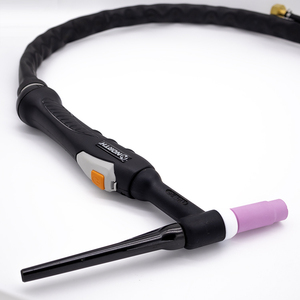
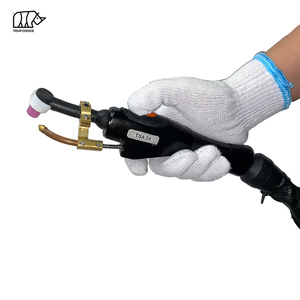
In high-precision manufacturing sectors—such as aerospace component fabrication, nuclear pressure vessel construction, semiconductor vacuum piping, and heavy structural engineering—Gas Tungsten Arc Welding (GTAW / TIG) remains the absolute benchmark for metallurgical cleanliness, mechanical joint strength, and visual bead quality. However, traditional manual TIG welding presents significant industrial bottlenecks: operator fatigue, inconsistent fill-metal deposition rates, thermal distortion due to excessive heat input, and high defect rates in multi-pass thick-wall applications.
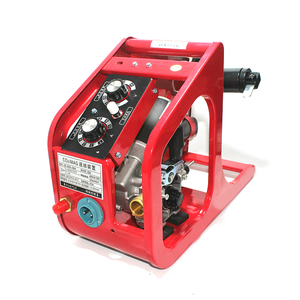
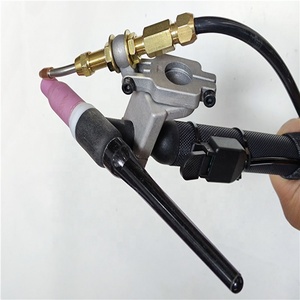
As a premier Custom OEM TIG Wire Feeder Manufacturer & Exporter, Advanced Power Sources Limited (APS Welding) bridges the gap between manual precision and automated throughput. Automated cold wire feeding (CWF) and hot wire feeding (HWF) systems eliminate human variance by delivering filler wire into the molten arc pool at precisely regulated velocity, angle, pulse frequency, and retraction timing. The result is a dramatic increase in deposition rate (up to 200–300% in hot-wire configurations) combined with absolute repeatability across continuous production runs.
Information Gain Insight: Cold Wire vs. Hot Wire TIG Feeding Mechanics
While standard Cold Wire TIG Feeding mechanical units introduce solid filler wire into the weld puddle strictly via mechanical push drive, advanced Hot Wire TIG Systems preheat the filler wire using an independent AC/DC current source prior to entering the pool. This eliminates thermal shock to the weld puddle, permits up to 3x higher wire feed speeds, and lowers net base-metal heat input, making it ideal for exotic alloys including Inconel, Monel, Titanium Grade 2/5, and Duplex Stainless Steel.
2. OEM Custom Engineering Specifications & Modular Architecture
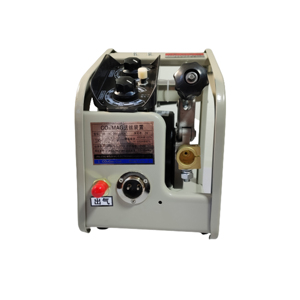
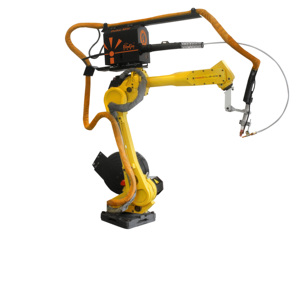
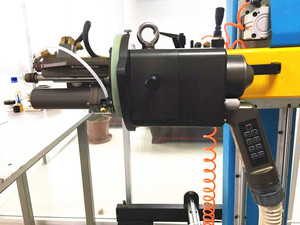
We provide global EPC contractors, robotic system integrators, and welding equipment distributors with fully customized OEM TIG wire feeder modules designed for seamless integration with existing CC/CV power sources, CNC motion controllers, robotic arms (KUKA, ABB, Fanuc, Yaskawa), and orbital pipe heads.
| Technical Parameter | Standard OEM Cold Feeder | Industrial Heavy-Duty Feeder | Orbital & Robotic Custom OEM |
|---|---|---|---|
| Drive Mechanism | 2-Roll Gear Drive System | 4-Roll Synchronized Drive | Micro Stepper / Servo Closed-Loop |
| Wire Diameter Capability | 0.6 mm – 1.6 mm | 0.8 mm – 2.4 mm | 0.4 mm – 1.6 mm (Micro-Wire) |
| Wire Feeding Speed | 0.2 – 10.0 m/min | 0.1 – 18.0 m/min | 0.05 – 15.0 m/min (Fully Programmable) |
| Retract (Burn-Back) Time | 0.0 – 5.0 Seconds | 0.0 – 9.9 Seconds | Digital Pulse Retract (0-100 ms) |
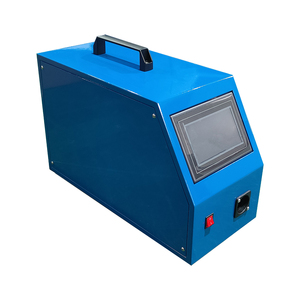
| Control Logic & CPU | Micro-controller Board | Industrial Micro-PLC System | Siemens PLC / 7" Touch Screen / Fieldbus |
| Enclosure Protection | IP21 Industrial Desk Unit | IP54 Dust/Splash Proof Portable | Custom OEM Chassis / DIN-Rail Integration |
| Power Input Voltage | AC 110V/220V 50/60 Hz | AC 110V/220V/415V Multi-Voltage | DC 24V Auxiliary Input / OEM Standard |
Core Mechanical & Electrical Design Innovations
Pulse Synchronization
Feeder software synchronizes wire delivery perfectly with the peak current phase of pulsed TIG power sources, minimizing spatter and weld pool turbulence.
Zero-Backlash Retract
Programmable wire retract logic pulls the wire back out of the hot pool at the conclusion of a arc weld, preventing sticky wire ends and tungsten contamination.
Multi-Protocol Communication
Optional support for CANopen, Modbus-TCP, Profinet, and EtherNet/IP for real-time automated robotic cell telemetry and WeldVisor Industry 4.0 tracking.
3. Future Strategic Procurement Trends in TIG Automation (2025–2030)
Global procurement directors and supply chain managers face shifting paradigms in welding automation equipment selection. When sourcing TIG wire feeding solutions, enterprise buyers are prioritizing three technological vectors:
A. Shift toward Modular Smart Wire Feeders for Cobots
Collaborative robots (cobots) are transforming high-mix, low-volume fabrication shops. Procurement trends indicate a 40% year-over-year growth in demand for lightweight, low-voltage (24V DC) cold wire feeder units that mount directly to cobot arms without overburdening payload thresholds.
B. Integration of Industry 4.0 Telemetry (WeldVisor IoT)
Traceability in nuclear power plants, defense shipbuilding, and pharmaceutical pipework mandates continuous arc monitoring. Modern TIG wire feeders are expected to log feeding speed, wire consumption in grams, drive roller slip alerts, and total motor runtime directly to centralized MES software.
C. Exotic Alloy Pre-Heating (Hot Wire TIG Growth)
To reduce heat input and prevent metallurgical cracking in high-tensile steels and superalloys, hot-wire TIG wire feeding systems are replacing traditional submerged arc and heavy MIG processes in thick-wall pressure vessel fabrication, achieving up to 4.5 kg/hr deposition rates.
4. APS Welding Enterprise Competence & Factory OEM Capabilities
Rooted in Gujarat, India—a global hub for heavy machinery engineering—Advanced Power Sources Limited (APS Welding) operates an ISO 9001:2015 certified manufacturing facility dedicated to complete end-to-end welding machinery design, PCB assembly, motor drive calibration, and rigorous load testing.
100% In-House R&D
We do not rebrand generic components. From the microprocessor firmware and PCB power topology to the mechanical drive chassis, our engineering team designs every component in-house.
Full OEM/ODM Branding
We customize sheet metal enclosures, private-label silk-screening, custom software interfaces, local language GUI displays, and client-specific wire liner connectors for international brand partners.
Global Compliance & Export
Our TIG wire feeding equipment complies with international IEC 60974-1 and IEC 60974-10 electrical safety standards, supported by robust sea-worthy export packing and global logistics networks.
5. Technical & Procurement FAQ (Frequently Asked Questions)
Targeted technical answers compiled by our senior welding automation engineers to assist procurement teams and application leads.
What is the key functional difference between a MIG wire feeder and a TIG wire feeder?
A MIG wire feeder forms part of an active electrical circuit where the wire itself serves as the consumable electrode carrying high current. In contrast, a TIG cold/hot wire feeder is an electrically neutral or independently preheated auxiliary system that feeds filler wire into an arc established between a non-consumable tungsten electrode and the workpiece. TIG feeders require far higher low-speed torque precision, fine retract (burn-back) timing control, and zero-backlash motor drives to prevent touching the tungsten electrode.
Can APS TIG wire feeders be integrated with third-party TIG welding machines?
Yes. Our custom OEM TIG wire feeders are universally compatible. They can operate in standalone mode (using internal arc-sensing switches or foot-pedal synchronization) or directly interface with power sources from Miller, Lincoln Electric, Fronius, ESAB, Kemppi, and custom inverter power units via dry contact relays or 0-10V analog speed controls.
How does wire retraction (burn-back) prevent tungsten contamination?
When a TIG weld sequence terminates, the molten pool freezes rapidly. If the wire remains in the cooling puddle, it freezes solid to the joint. If it retracts too slowly while the arc dies, the wire tip can mushroom or hit the hot tungsten electrode, causing tungsten inclusions. Our digital feeders utilize precision pulse retraction, instantly pulling the wire back 2–10 mm the precise millisecond arc current drops.
What wire liner materials are recommended for aluminum vs. stainless steel TIG wire feeding?
For stainless steel, carbon steel, and Inconel filler wires, we supply high-rigidity spiral steel wire liners or stainless steel coiled conduits. For soft aluminum (ER4043, ER5356) or titanium wire feeding, we mandate PTFE (Teflon), Carbon-Teflon, or PA (Polyamide) liners to eliminate internal friction, wire shaving, and feeding jams.
What OEM customization options are available for volume export orders?
We provide comprehensive OEM customization including custom sheet-metal colors (RAL matching), private brand logo plates, custom drive roll grooves (V-groove, U-groove, Knurled), custom control panel software in any language, custom wire spool holders (5kg, 15kg, bulk drum payout), and specialized cable harness lengths up to 25 meters.
How do you ensure quality control and duty cycle performance under export standards?
Every wire feeder undergoes a continuous 48-hour burn-in and thermal load test prior to packaging. Motor torque curves, encoder feedback calibration, voltage fluctuation tolerance (±15%), and IP54 dust protection testing are fully documented under ISO 9001:2015 compliance.
What is the typical lead time for custom OEM TIG wire feeder orders?
Standard export configurations ship within 10 to 15 business days. Fully customized OEM/ODM builds (involving custom tooling, proprietary firmware modification, or customized CNC control interfaces) typically require 3 to 5 weeks depending on batch volume.
Partner with a Leading Custom OEM TIG Wire Feeder Manufacturer
Need custom technical configurations, high-volume B2B export pricing, or OEM private-label integration? Speak directly with our senior engineering team today.
Get a Quote