
High-precision industrial welding machinery, IGBT inverter power sources, automated positioners, and CNC cutting solutions manufactured under stringent ISO 9001:2015 quality standards.
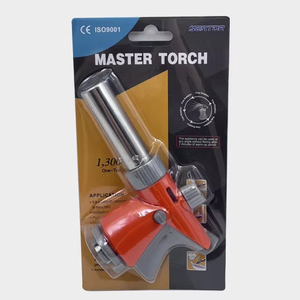
Heavy-duty 1300°C flame temperature gas torch designed for industrial preheating, seam thermal preparation, brazing, and high-heat maintenance operations.
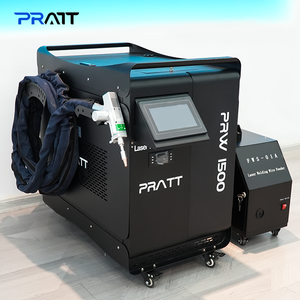
Ultra-high-speed fiber laser welding cell offering deep penetration, low heat-affected zone (HAZ), and continuous high-deposition joint sealing for metal sheets.
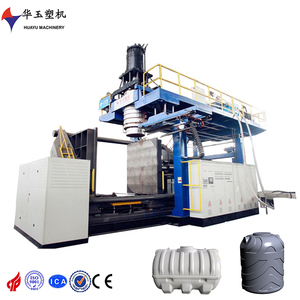
Automated high-capacity blow moulding production line for large-scale industrial storage tanks, engineered for continuous operation and high structural stability.
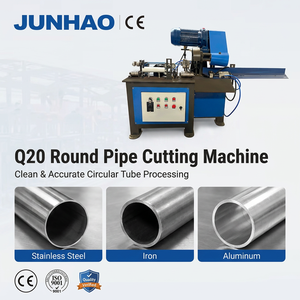
High-speed CNC circular pipe cutting machinery engineered for precision stainless steel sectioning, burr-free beveling, and seamless robotic cell feeding.
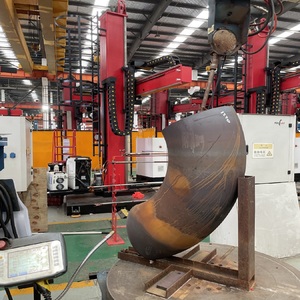
Specialized automated cladding overlay station designed for anti-corrosion corrosion-resistant alloy (CRA) hardfacing on industrial valves, flanges, and pipe bores.
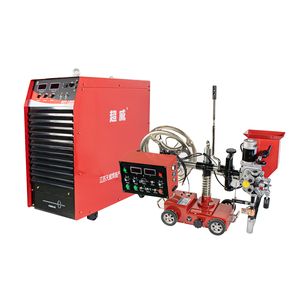
Heavy-duty submerged arc welding (SAW) carriage and rotator system optimized for deep-penetration circumferential jointing on pressure vessels and large tanks.
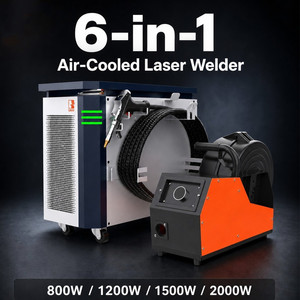
Next-generation air-cooled laser welding console equipped with digital parameter control, dynamic wire feeding mechanism, and handheld/robotic interface compatibility.
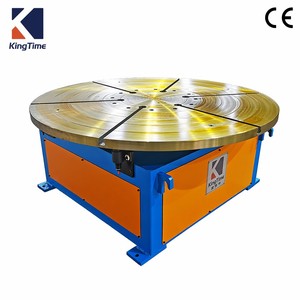
Precision-engineered 1000kg load motorized rotating table featuring stepless VFD speed regulation, repeatable position control, and integration for seam tracking automation.
The global metal fabrication landscape is experiencing a paradigm shift driven by stringent quality codes (AWS D1.1, ASME Section VIII, ISO 3834), persistent skilled labor shortages, and the aggressive pursuit of higher deposition rates without thermal distortion. As a primary manufacturer and global exporter of custom OEM industrial welding robots and inverter power sources, our engineering standard centers on delivering integrated, high-availability workcells that bridge power electronics, mechanical automation, and digital telemetry.
Modern automated fabrication requires more than bolting an off-the-shelf articulated arm onto an existing power source. Achieving zero-defect welds in heavy plate processing, pressure vessel fabrication, shipbuilding, and pipeline construction demands cohesive system integration: matching arc characteristics, dynamics of high-frequency IGBT switches, real-time seam tracking algorithms, and robust workpiece positioning.
Why Tier-1 industrial buyers, EPC contractors, and OEM distributors select our manufacturing facilities for turn-key welding automation.
Unlike assemblers relying on third-party control boards, our R&D center designs all primary power topologies, high-frequency transformer cores, and digital signal processors (DSP). This direct control allows microsecond arc responses, minimal spatter generation, and high power-factor efficiency.
We manufacture the complete automation chain: robotic end-effectors, heavy-duty servo positioners (up to 10,000kg load), self-aligning rotators, linear travel carriages, and boom-mounted wire delivery arms. Eliminate integration friction through a single vendor.
All industrial power sources undergo continuous full-load testing under high ambient temperature conditions (40°C). Our 100% duty cycle machines operate continuously under maximum rated output without thermal trip or voltage output degradation.
Key technical vectors shaping the future of industrial robotics, high-speed automated cladding, laser-hybrid processes, and smart factory connectivity.
Static robotic programming is rapidly giving way to real-time adaptive welding. Modern OEM cells integrate high-frequency 3D laser profiling sensors and Through-the-Arc Seam Tracking (TAST). These systems measure joint gap variations, bevel angles, and tack weld locations in real time, automatically modifying torch path, voltage, and wire feed speed to maintain consistent weld root penetration and fill volume.
To meet aggressive vessel production targets, hybrid processing combines deep laser keyhole penetration with the gap-bridging capabilities of GMAW/MIG welding. This synergy allows single-pass welding of plate thicknesses up to 12mm without edge prep, cutting thermal heat input by up to 50% compared to conventional submerged arc methods while reducing filler wire consumption.
Driven by ISO 3834 compliance, international buyers require complete digital records of every linear meter of weld. Our WeldVisor IoT platform aggregates telemetry directly from the inverter power board. Parameters such as arc voltage, current RMS, wire burn-off rate, thermal cycle data, and deposition weight are stored in real time for audit compliance, predictive maintenance, and overall equipment effectiveness (OEE) metrics.
Transitioning from bulky water-chilled cabinets, recent advances in high-efficiency semiconductor pump diodes enable compact air-cooled fiber laser consoles. Delivering up to 2000W of continuous output with built-in wobble heads and digital wire feeders, these systems provide rapid deployment, low energy footprint, and 4x faster execution speeds on thin gauge stainless steel and aluminum assemblies.
A strategic framework for EPC companies, OEM factory managers, and equipment importers evaluating capital investments in robotic welding infrastructure.
Forward-thinking procurement teams look past initial sticker price to evaluate total cost over a 10-year service life. Key factors include power factor efficiency (0.95+ on IGBT inverters vs 0.70 on older transformer setups), consumable wear rates, modular replacement board costs, and local spare parts availability.
Cross-border operations frequently encounter unstable grid conditions or generator-supplied remote field power. Modern global sourcing specs require inverter power sources capable of handling ±15% to ±20% voltage fluctuations without arc instability or premature IGBT breakdown.
Instead of buying rigid standardized machines, buyers increasingly partner with primary OEM factories that offer tailored mechanical dimensions, custom torch mounting brackets, specialized PLC communication protocols (Profinet, EtherNet/IP, Modbus), and custom software user interfaces.
| Process Type | Deposition Rate | Thermal Input / HAZ | Automation Readiness | Primary Industrial Application |
|---|---|---|---|---|
| Submerged Arc (SAW) | Ultra-High (8–25 kg/hr) | High / Wide HAZ | Fully Automatic (Carriage/Gantry) | Heavy Pressure Vessels, Wind Towers, Structural Beams |
| GMAW (MIG/MAG) | High (3–8 kg/hr) | Moderate | Semi / Fully Automatic (Robotic) | General Structural Steel, Automotive Frame, Heavy Equipment |
| Fiber Laser Welding | High Speed / Precise Fill | Ultra-Low / Minimal HAZ | High Precision Robotic Interface | Precision Sheet Metal, Battery Enclosures, CRA Tubing |
| Vertical Cladding Overlay | Controlled Alloy Layer | Optimized Low Dilution | Dedicated Multi-Axis CNC Station | Oil & Gas Valves, Flange Bores, High-Corrosion Vessels |
Expert technical responses to common questions raised during global machine evaluation, OEM customization, and import compliance.
To receive an accurate engineering proposal, buyers should specify: 1) Base metal composition and plate thickness range; 2) Joint design details (e.g., V-bevel, J-prep, fillet radius); 3) Required deposition rate and target cycle time per workpiece; 4) Workpiece overall dimensions and maximum payload weight; 5) On-site power supply metrics (voltage, 3-phase rating, grid/generator frequency); and 6) Desired controller communication protocols (EtherNet/IP, Profinet, DeviceNet).
Under the international standard IEC 60974-1, industrial duty cycles are measured over a 10-minute testing interval at an ambient temperature of 40°C. A power source rated at 500A @ 60% duty cycle can operate continuously at 500 Amperes for 6 minutes out of every 10 minutes without thermal overload. For continuous robotic cells, choosing a 100% duty cycle rating at working amperage guarantees uninterrupted operation in high-heat production environments.
Yes. Our industrial power sources, wire feeders, and automated welding carriages feature standardized digital I/O interface modules and fieldbus gateways. We regularly supply power sources and positioners for integration into multi-brand robotic cells, supplying matching cabling, torch assemblies, and arc-start communication handshake protocols.
Automated vertical pipe and valve cladding systems control heat input and torch oscillation speed to deliver uniform alloy layer chemistry with minimal base metal dilution (often < 5% in a two-pass layer). Compared to manual GTAW/SMAW cladding, automated vertical cladding increases deposition speed by up to 300%, eliminates operator fatigue errors, and ensures full compliance with API 6A and NACE MR0175 anti-corrosion standards.
We maintain a comprehensive spare parts inventory containing modular PCB mainboards, IGBT gate drivers, wire feed drive rolls, gas diffusers, and torch consumables. We provide technical wiring diagrams, direct engineer-to-engineer remote diagnostics, and video setup guides. OEM partner service engineers receive factory certification training to support rapid on-site troubleshooting.
IGBT (Insulated Gate Bipolar Transistor) inverters switch incoming power at tens of kilohertz (kHz), compared to the 50/60 Hz frequency of conventional transformers. This rapid switching allows microsecond-level arc feedback control, producing extreme arc stability, reduced spatter, lighter equipment footprint, and energy consumption savings of 30% to 45% during continuous production runs.
Our manufacturing facilities operate under an ISO 9001:2015 certified Quality Management System covering product design, raw material inspection, component assembly, and final testing. Power sources and automated cutting consoles comply with international electrical safety standards, insulation class H guidelines, IP23 enclosure protection ratings, and CE conformity directives.
Discuss your structural joint requirements, high-deposition automated cell configurations, or custom OEM manufacturing needs with our experienced application engineering team.
Get Catalog