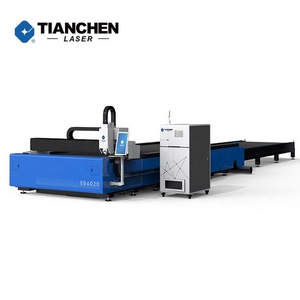

Direct factory-engineered welding and cutting systems validated for heavy structural, automated pipeline, and pressure vessel fabrication.
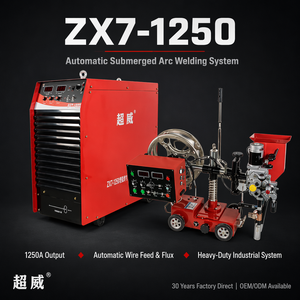
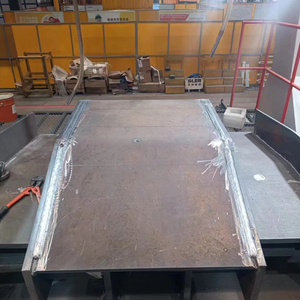
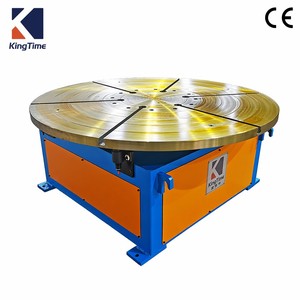
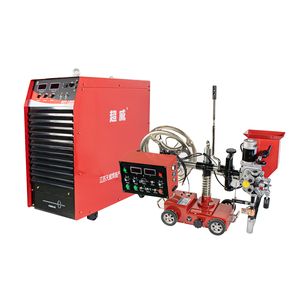
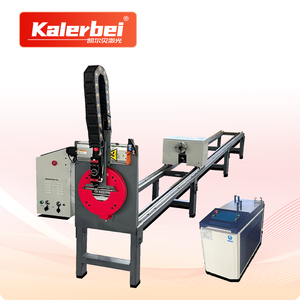
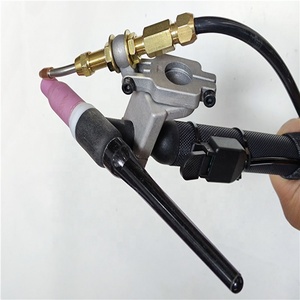
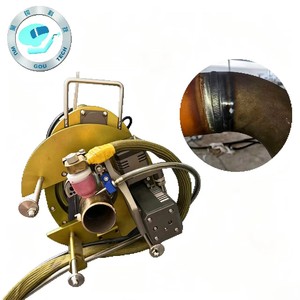
The global metal fabrication landscape is undergoing an accelerated transformation from traditional analog step-controlled transformer power sources to Digital Signal Processor (DSP)-controlled High-Frequency IGBT Inverter MIG/MAG Power Units. B2B procurement directors, engineering procurement construction (EPC) contractors, and industrial distributors sourcing from China wholesale digital MIG welder factories face an essential task: identifying OEM suppliers that deliver true microsecond wave-control stability, energy efficiency compliance, and seamless robotic automation readiness.
Modern industrial Gas Metal Arc Welding (GMAW) demands absolute control over the molten pool dynamics. Through high-speed digital DSP sampling (operating at frequencies exceeding 100 kHz), digital MIG welders continuously monitor arc voltage and current micro-variations, dynamically modifying the short-circuit transfer wave. This technology reduces weld spatter by up to 85% compared to legacy equipment, drastically cuts post-weld grinding labor costs, and improves thermal deposition efficiency across carbon steel, stainless steel, and high-strength aluminum alloy fabrications.
Why leading global brands contract China's top digital welder manufacturing facilities for bulk production.
Equipped with fully automated high-precision Surface Mount Technology (SMT) lines and conformal coating cleanrooms, ensuring robust electronic board assemblies resistant to industrial moisture, dust, and magnetic interference.
Proprietary software algorithms control peak current, droplet transfer timing, and short-circuit decay rates. Enables customized synergic welding profiles for carbon steel, stainless, and aluminum alloys.
Every industrial inverter welding power source undergoes 40°C elevated temperature burn-in testing under continuous 100% duty cycle conditions, guaranteeing structural operational reliability in extreme site environments.
When selecting a manufacturing partner in China, enterprise buyers must evaluate supplier roadmap alignment with upcoming industrial engineering trends. Over the next decade, digital MIG welding technology will advance across four key technological pillars:
Modern smart factories require real-time visibility over welding parameters to meet EN ISO 3834 and ASME Section IX quality standards. Future-ready digital MIG power sources are integrated with IoT telemetry modules (such as Wi-Fi/4G/Ethernet communication cards) that transmit arc-on time, wire consumption, average voltage, RMS current, and heat input values directly to enterprise ERP/MES platforms. This enables predictive maintenance, eliminates manual weld logs, and ensures traceability for critical defense, aerospace, and energy infrastructure projects.
The boundary between dedicated MIG, TIG, and Submerged Arc (SAW) welders is blurring. Premium Chinese OEM factories now offer true single-phase and three-phase Multi-Process CC/CV digital machines. Advanced Synergic Double Pulse MIG functions automatically modulate pulse frequency and base current, delivering TIG-like cosmetic weld bead aesthetics ("fish-scale" appearance) at five times the deposition rate of conventional GTAW processes.
With global welder shortages worsening, industrial automation adoption is accelerating. Leading Chinese manufacturers are equipping digital MIG power sources with plug-and-play communication protocols—including CANopen, EtherCAT, DeviceNet, and Modbus TCP. This enables seamless hardware handshakes with cobots and 6-axis industrial robots (KUKA, ABB, Fanuc, Yaskawa), allowing rapid automated cell integration without costly external signal converter boxes.
The next generation of high-frequency inverters is transitioning from conventional Silicon IGBT modules to Silicon Carbide (SiC) and Gallium Nitride (GaN) switching devices. Switching frequencies exceeding 200 kHz drastically reduce the size and weight of internal transformers and inductors, yielding compact 500A power sources weighing under 30 kg while improving wall-plug energy efficiency to over 92%.
To assist technical procurement managers in building business cases for machinery upgrades, the following matrix contrasts key performance parameters between traditional transformer units and contemporary China-manufactured digital DSP MIG power sources:
| Specification / Feature Parameter | Traditional Analog Transformer MIG | Digital DSP IGBT Inverter MIG (Factory Standard) | High-End Synergic Double-Pulse MIG |
|---|---|---|---|
| Power Factor (Cos φ) | 0.60 – 0.75 (Low Efficiency) | 0.92 – 0.95 (High Efficiency) | > 0.95 (PFC Circuit Integrated) |
| Spatter Loss Generation | 12% – 18% Metal Mass Loss | 2% – 4% Controlled Wave Transfer | < 1% Near-Zero Spatter Generation |
| Arc Control Dynamics | Coarse Tapped Voltage Steps | Infinite Digital Microsecond Control | Adaptive Synergic Pulse Algorithm |
| Weight-to-Power Ratio | 0.8 A / kg (Heavy Transformer) | 8.5 A / kg (Compact Mobile Inverter) | 12.0 A / kg (Ultra-Dense Portable) |
| Robotic Bus Interface | Analog Relay Logic Only | Digital Modbus / RS485 Native | EtherCAT / CANopen / DeviceNet |
| Energy Savings Potential | Baseline Standard | 30% Electricity Reduction | Up to 45% Operational Savings |
Direct wholesale purchasing from overseas suppliers requires a systematic quality assurance protocol. Below is an audit blueprint used by global procurement experts when validating Chinese manufacturing facilities:
Expert technical answers to common questions raised by global equipment distributors and industrial buyers.
Connect directly with our senior application engineers to discuss custom specifications, bulk factory pricing, and global logistics options for your regional market.
Contact Us