
Choosing a Tube to Tube Welding System in 2026 requires more than comparing prices and brochure claims. The right equipment must match tube materials, diameters, wall thicknesses, joint designs, and production volume. A system that performs well on stainless steel may struggle with titanium or thin-wall alloys. Small differences can affect penetration, distortion, and long-term joint reliability.
Real workshop experience matters here. Operators often notice problems before test reports reveal them: inconsistent arc starts, difficult torch access, excessive heat marks, or fixtures that slow loading. Look closely at weld control, orbital or manual options, cooling performance, clamping accuracy, and data recording. Ask suppliers for documented results on similar tube assemblies. Better evidence comes from trial welds, measured cross-sections, and repeatability records.
There is no perfect machine. That deserves attention. A highly automated system may improve consistency but create costly downtime when programming is unclear. A simpler unit may be easier to maintain, yet demand stronger operator skills. Service response, spare parts, training, and software support can matter as much as welding power. This guide examines those practical factors and explains how to judge a Tube to Tube Welding System with technical confidence, realistic expectations, and room for careful reconsideration. Trends change quickly. Your production needs may change faster.
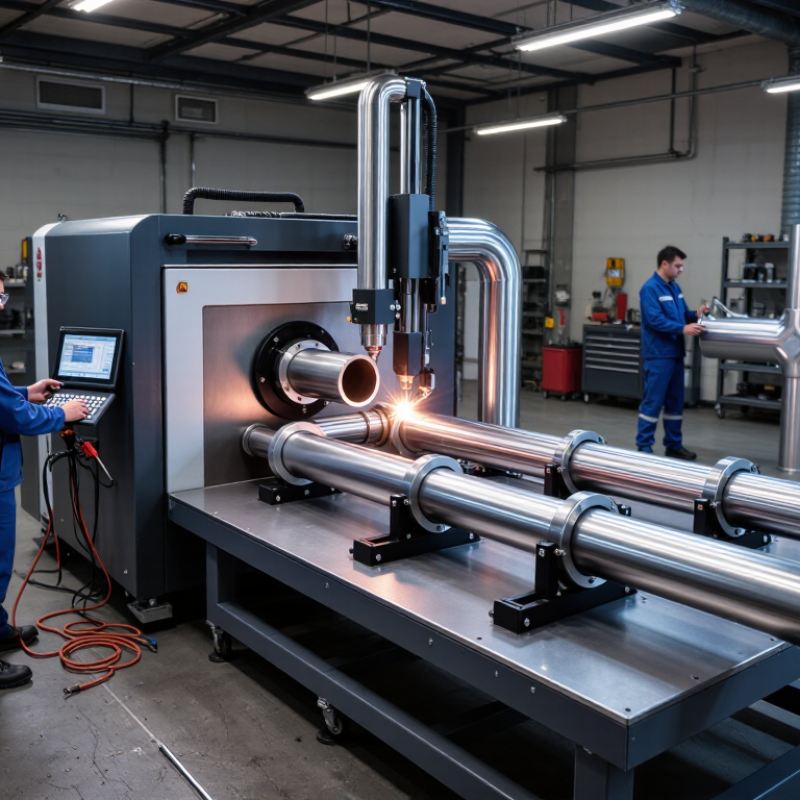
Tube-to-tube welding systems range from manual TIG setups to orbital welding equipment and automated production cells. Each suits different work. Manual systems offer flexibility for prototypes and repairs, while orbital systems provide repeatable welds around fixed tube joints. Automated cells can handle higher volumes, but need consistent part positioning and more setup.
Applications include process piping, heat exchangers, medical equipment, and structural assemblies. Wall thickness, tube diameter, material, access, and required weld documentation should guide system choice—not speed alone.
Grand View Research estimated the global welding equipment market at about US$15.2 billion in 2023, with projected growth through 2030. This broad market figure does not measure tube-to-tube systems specifically, but it signals continued investment in welding technology.
For critical joints, review the procedure qualification, inspection method, and traceability offered by the system. A polished interface is useful. It cannot correct poor fit-up.
Tips:
Ask suppliers to demonstrate your actual tube size, material, and joint geometry. Watch the arc start and stop, then inspect the finished weld under your normal acceptance criteria. Compare cycle time alongside changeover time and operator training needs. Small details matter: a slight gap or oval tube can disrupt repeatability. And sometimes, the simplest system is the right one.
How to Choose a Tube to Tube Welding System in 2026
Defining material, tube size, and joint requirements is the practical starting point. Stainless steel, carbon steel, and nickel alloys respond differently to heat, so confirm the material grade before selecting a process. Check tube diameter, wall thickness, and ovality. A tube measuring 25 millimeters across with a thin wall may need tighter heat control than a thick-walled tube of the same diameter. Small differences matter. Specify whether the joint is a butt joint, socket joint, or another configuration, and note any access limits around the weld.
Tips: Record the smallest and largest tube sizes you expect to run, not just today’s typical size. Ask for a trial weld using your actual material and joint preparation. Inspect fit-up, penetration, and repeatability. A clean-looking surface alone does not prove a sound joint. Also consider how operators will load and align tubes during a full shift; a system that performs well in a demonstration may feel less convenient in daily production.
Define the required output and quality checks before comparing equipment. Include weld frequency, changeover time, and any inspection method your application requires. Be candid about variability in incoming tube dimensions. It can be tempting to choose a system around ideal samples, but production rarely stays ideal. Leave room for adjustment, and document settings that produce consistent results.
Engineering selection guide for orbital, automated, and precision tube-to-tube welding applications
| Application Profile | Typical Tube Materials | Common Tube Outside Diameter | Typical Wall Thickness | Recommended Welding Process | Joint Configuration | Shielding and Purging Requirements | Key System Requirements | Typical Industries |
|---|---|---|---|---|---|---|---|---|
| Thin-wall stainless steel tubing | 304L 316L 321 | 6–25 mm | 0.5–1.5 mm | Orbital GTAW/TIG with pulsed current | Square-butt, autogenous weld | High-purity argon shielding; internal argon purge is normally required to reduce oxidation and discoloration. | Accurate tube alignment, low-current control, programmable pulse parameters, closed-loop arc control, and precise wire-free welding capability. | Semiconductor equipment, laboratory systems, pharmaceutical equipment, food and beverage processing |
| Medium-wall stainless steel process tubing | 304L 316L 904L | 19–114 mm | 1.5–4.0 mm | Orbital GTAW/TIG, with filler wire when required | Square-butt or prepared butt joint | External shielding and internal purge should be maintained until the weld and heat-affected zone have cooled sufficiently. | Motorized tube rotation, repeatable clamping, programmable current and travel speed, purge monitoring, and weld-data recording. | Bioprocessing, chemical processing, clean utilities, water treatment, general process piping |
| Carbon and low-alloy steel tubing | Carbon steel Low-alloy steel Chrome-moly | 25–168 mm | 2–8 mm | GTAW/TIG root pass followed by GTAW, GMAW, or SMAW where permitted | Square-butt or beveled butt joint | Argon is commonly used for the GTAW root. Preheating and interpass-temperature control may be required for low-alloy and chrome-moly materials. | Higher current capacity, preheat control, multi-pass programming, filler-wire feeding, and temperature monitoring. | Power generation, industrial piping, boilers, pressure equipment, structural tube assemblies |
| Nickel and nickel-alloy tubing | Nickel alloys Corrosion-resistant alloys High-temperature alloys | 12–114 mm | 1–5 mm | Precision GTAW/TIG with controlled heat input | Square-butt or narrow-gap butt joint | High-purity shielding and effective internal purging are essential. Oxide removal and strict surface cleanliness are required before welding. | Stable low-current operation, accurate heat-input control, long-duration cooling management, and detailed parameter traceability. | Aerospace components, chemical processing, energy systems, high-temperature equipment |
| Titanium and reactive-metal tubing | Commercially pure titanium Titanium alloys | 6–76 mm | 0.5–3 mm | GTAW/TIG in an inert, highly controlled environment | Square-butt, autogenous or low-volume filler weld | Extended trailing-shield coverage and internal argon purging are required. Oxygen contamination must be minimized throughout cooling. | Excellent gas coverage, sealed or enclosed weld heads, low-contamination tooling, precise arc control, and purge-flow monitoring. | Aerospace, medical equipment, chemical processing, high-purity systems |
| Aluminum tubing | 6061 6063 5083 | 12–100 mm | 1–5 mm | AC GTAW/TIG or pulsed GMAW/MIG for higher production rates | Square-butt or prepared butt joint | Argon or argon-rich shielding is commonly used. Surface oxide must be removed immediately before welding. | AC balance and frequency control for GTAW, effective heat management, high-speed wire feeding, and distortion control. | Transportation, heat exchangers, HVAC equipment, pressure vessels, lightweight structures |
| Copper and copper-alloy tubing | Copper Brass Copper-nickel | 6–100 mm | 0.8–5 mm | GTAW/TIG, brazing, or specialized high-energy welding depending on joint design | Square-butt, socket, or lap joint | Shielding gas selection depends on alloy and process. Clean surfaces and adequate heat concentration are important because copper conducts heat rapidly. | High-current capacity, focused arc control, heat-sinking fixtures, preheating capability, and stable travel-speed control. | Refrigeration, HVAC, electrical equipment, heat exchangers, marine systems |
| Tube-to-tubesheet connection | Stainless steel Carbon steel Nickel alloys Titanium | 10–76 mm tube diameter | 0.8–4 mm tube wall | Automatic GTAW/TIG, resistance welding, or expansion plus seal welding | Projection, recessed, flush, or seal-welded tube-to-tubesheet joint | Shielding and purge arrangements depend on access, joint geometry, and cleanliness requirements. | Compact weld head, accurate tube projection control, multi-axis positioning, repeatable clamping, and inspection access. | Heat exchangers, condensers, boilers, pressure equipment, process skids |
| Dissimilar-metal tube joint | Stainless to carbon steel Nickel alloy to steel Copper to steel | 12–114 mm | 1–6 mm | Controlled GTAW/TIG or qualified specialized joining process | Prepared butt joint, transition joint, or engineered insert joint | Shielding, purge, filler-metal selection, and heat control must be qualified for the specific material combination. | Independent control of current, travel speed, filler addition, heat input, and interpass temperature; procedure qualification is essential. | Energy systems, chemical plants, maintenance piping, heat-transfer equipment |
| High-volume repeat production | Material-dependent; commonly stainless steel, carbon steel, aluminum, or copper alloys | 6–168 mm | 0.5–8 mm | Automated orbital GTAW/TIG, mechanized GMAW/MIG, or laser welding where suitable | Repeatable butt, lap, socket, or tube-to-tubesheet joint | Closed-loop gas-flow control and automated purge sequencing are preferred. | Recipe storage, barcode or digital job tracking, automatic parameter verification, weld monitoring, inspection records, and quick-change tooling. | Automotive components, industrial equipment, process modules, heat exchangers, appliance manufacturing |
Choosing a tube-to-tube welding system starts with the joint, not the machine’s sales claims. TIG welding remains dependable for stainless steel and controlled wall thicknesses. Orbital TIG adds repeatability around fixed tubes. Laser welding can reduce heat input, but it demands accurate fit-up and clean surfaces. For thin tubes, excessive heat may cause burn-through, distortion, or internal oxidation. A visible gap of only a few tenths of a millimeter can change the result.
Automation should match production volume and operator skill. A manual system may suit prototypes and frequent design changes. An automated cell becomes more valuable when dozens of identical joints require consistent penetration. Look for programmable current ramps, pulse control, wire-feed coordination, and adjustable travel speed. Automatic torch alignment can reduce setup errors. It cannot correct poor tube preparation.
Control features deserve close inspection. A useful interface should store approved welding recipes, record actual parameters, and show alarms clearly.
Real-time monitoring of arc voltage, current, shielding gas flow, and cooling status improves traceability. Oxygen monitoring during purging is especially useful for corrosion-sensitive alloys. Test the controls with gloves on. Small screens frustrate operators.
Do not assume more automation means better welding. It may add maintenance, training time, and hidden failure points. Ask for sample welds using your actual tube size, alloy, wall thickness, and joint design. Examine penetration, discoloration, distortion, and repeatability. Then review the results with a qualified welding engineer. The first trial may expose uncomfortable weaknesses. That is valuable.
Choosing a tube to tube welding system in 2026 requires more than comparing purchase prices. Precision begins with repeatable tube alignment, stable arc control, and accurate heat input. Even a small mismatch can create an uneven weld bead or hidden lack of fusion. Ask for documented tolerance data, calibration procedures, and sample weld records from materials similar to yours. Numbers matter more than polished demonstrations.
Safety should be built into daily operation. Look for enclosed arc areas, effective fume extraction, interlocks, and clear emergency controls. A reliable purge system also protects weld quality by limiting oxidation inside the tube. Operators need practical training, not only a manual. I have seen production teams overlook hose inspection until gas flow became inconsistent. That mistake was avoidable.
Maintenance affects operating costs quietly. Check how quickly torch components, seals, clamps, and filters can be inspected or replaced. A system that stops for hours during a simple adjustment may cost more than expected. Review spare-part availability, service response, energy use, and shielding-gas consumption. Request a maintenance schedule based on actual duty cycles. It should be specific.
Consider total cost over several years, including rejected welds, retraining, downtime, and inspection. Data logging can support traceability, but only when records are easy to retrieve and interpret. Automation is helpful, yet excessive complexity may burden smaller workshops. The best choice depends on your tube sizes, materials, production rhythm, and staff experience. That judgment deserves careful testing.
Evaluating precision, safety, maintenance, and operating costs with a normalized 1–10 decision score.
Higher scores indicate a stronger fit for the selection criterion. The operating-cost score is reversed, meaning a higher value represents lower expected cost per production cycle. Use this screening model alongside application-specific trials, joint tolerances, material compatibility, safety assessments, and total-cost-of-ownership calculations.
How to Choose a Tube to Tube Welding System in 2026
Selecting a tube to tube welding system should begin with production reality, not a brochure. Measure tube diameters, wall thicknesses, materials, joint designs, and daily welding hours. A system for ten assemblies per shift may not suit a line producing hundreds. I have seen equipment fail to meet expectations because fixture changes took longer than welding. Setup time matters.
Choose controls that operators can learn quickly and engineers can verify. Stable current control, repeatable clamping, weld data recording, and accessible maintenance points improve reliability. Check the duty cycle under actual conditions, including heat buildup and cleaning intervals. Small gaps can become expensive defects. Request sample welds using your own tube materials and tolerances.
Future growth needs careful judgment. A larger system can look safer, but unused capacity may consume floor space and capital. Forecasts are rarely perfect. Consider modular fixtures, expandable software, spare input capacity, and tooling that supports new diameters. Also review training, service access, replacement parts, and inspection methods before purchase. An upgrade path is useful only when its costs are clear. Do not assume automation will solve poor part preparation. Consistent cutting, deburring, and alignment still depend on the production team. In some facilities, a simpler system with better operator access may outperform a complex one. That tradeoff deserves honest testing.
TIG welding is dependable for stainless steel and controlled wall thicknesses. Orbital TIG can improve repeatability on fixed tubes. Laser welding reduces heat input, but needs clean surfaces and accurate fit-up.
A gap of a few tenths of a millimeter can change the weld. Poor alignment may cause uneven penetration or distortion. Fit-up still matters.
Manual systems can suit prototypes and frequent design changes. Automation helps when many identical joints need consistent results. Not always.
Look for programmable current ramps, pulse control, adjustable travel speed, and weld data recording. Monitoring gas flow and cooling can help operators spot problems early.
Request sample welds using your tube size, alloy, wall thickness, and joint design. Inspect penetration, discoloration, and distortion. Test it with gloves.
No. Automatic torch alignment may reduce setup errors, but it cannot correct poor cutting, deburring, or alignment. That part still depends on the production team.
Measure daily welding hours, joint quantities, and fixture-change time. A setup for ten assemblies per shift may not suit a line producing hundreds.
Modular fixtures, expandable software, and spare input capacity may help. But forecasts are rarely perfect, and unused capacity can waste floor space and money.
Check training time, maintenance, replacement parts, service access, and inspection needs. I would still recheck these costs after a sample trial. The first estimate may miss something.
Choosing the right Tube to Tube Welding System in 2026 requires a clear understanding of production goals, materials, and joint requirements. Begin by identifying the tube materials, diameters, wall thicknesses, joint designs, and expected production volume. Different system types may be suited to laboratory work, custom fabrication, or continuous industrial manufacturing, so the equipment should match both current applications and desired weld quality.
When comparing options, consider welding methods, automation level, programming flexibility, monitoring functions, and compatibility with existing workflows. Precision, operator safety, ease of maintenance, energy use, and long-term operating costs are equally important. A well-designed system should provide stable, repeatable results while minimizing downtime and reducing unnecessary manual work. Finally, evaluate future growth, including higher production demands, new tube sizes, and potential process upgrades. Selecting a flexible and scalable solution can improve efficiency today while supporting reliable expansion over time.